
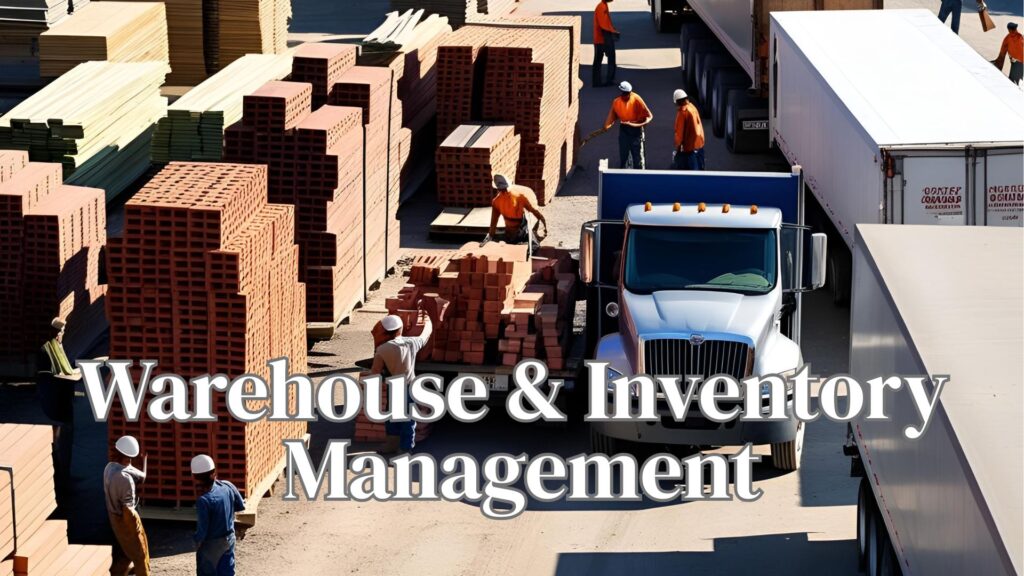
Running multiple yard locations is great for customer access and regional coverage—but it also introduces new costs and complexities in storage management. From space inefficiencies to material damage and duplicate stock, the costs add up fast.
In 2025, top building materials distributors are focused not just on expanding storage, but on storing smarter. Let’s look at proven, ERP-enabled strategies that help you store materials safely and save money across all your yards.
One of the biggest cost leaks in multi-location operations is inconsistency. When each yard does things differently, you end up with:
Consistency reduces training time, improves efficiency, and helps scale operations faster.
Storing the same SKUs in every yard can lead to overstock and dead inventory. Instead:
Use ERP insights to trigger inter-yard transfers when stock sits too long in one location or demand spikes in another.
Modular racking systems and adjustable cantilever racks allow you to adapt yard layouts to changing product mixes—without investing in permanent structures at each site.
Result: Lower upfront investment, easier yard reconfiguration, and better vertical space use.
Material loss due to water damage, sun exposure, or freeze-thaw cycles is expensive—and entirely preventable.
Your ERP can flag at-risk zones before materials are compromised, reducing write-offs and quality issues.
Each location may have different storage realities—coastal salt air, high winds, heavy snowfall, etc. Tailor training programs by region:
Reinforce training with local inspections and performance tracking in your ERP.
Mobile ERP apps allow staff to update storage info on the spot, ensuring data stays fresh and actionable.
Every square foot of outdoor or indoor storage is costing you something. Use your ERP to track:
Consolidate underused zones, lease out excess space, or re-slot high-turnover SKUs for efficiency.
Smart storage across multiple yards is about more than stacking materials safely—it’s about doing it efficiently, with insight and intention. By using real-time data, mobile tech, and region-specific strategies, you can reduce material loss, avoid overstock, and save serious money across your operation.

