
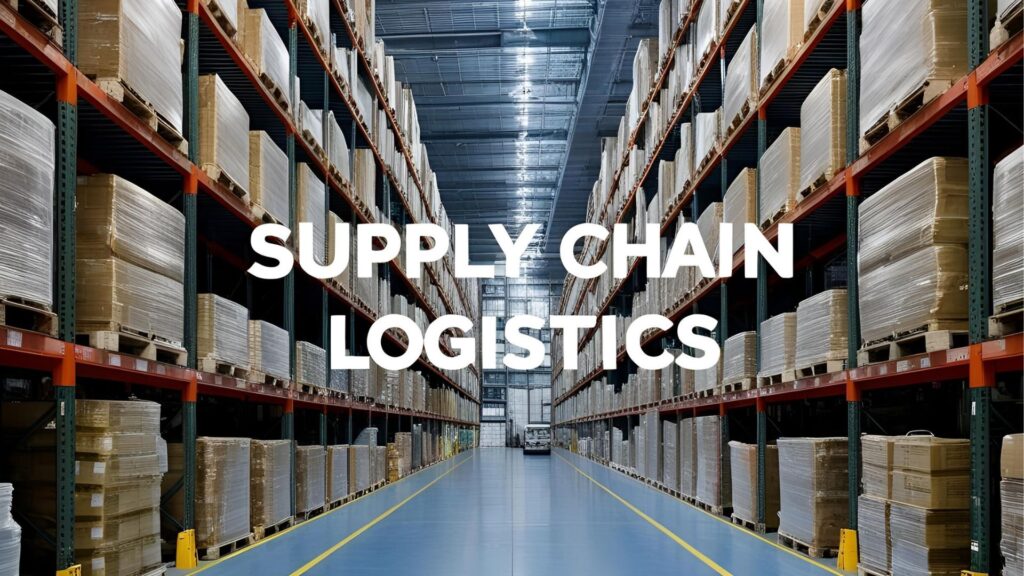
As construction supply chains grow more complex, building material suppliers are increasingly turning to third-party logistics providers (3PLs) to scale delivery capacity, streamline operations, and reduce cost. At the same time, the rise of digital supply chain management has made ERP integration a critical part of automating logistics workflows.
But here’s the catch: working with a 3PL won’t automatically make you more efficient—unless your systems are connected.
To truly unlock efficiency and visibility, suppliers must partner with 3PLs through ERP-integrated workflows that eliminate manual steps, reduce delays, and provide real-time data. When done right, this collaboration enhances not just your internal operations—but also your service to contractors and job sites.
Here’s how to build a strong, ERP-integrated 3PL partnership that drives better logistics automation from end to end.
With ERP integration, your systems and your 3PL’s transportation management system (TMS) work together—automating key logistics workflows like order processing, dispatch, shipment tracking, and invoicing.
Not all 3PLs are created equal—especially when it comes to systems integration.
Experience working with ERP systems like SAP, NetSuite, Microsoft Dynamics, or Acumatica
Tip: Ask for references or case studies where the 3PL has successfully integrated with ERP systems in construction or distribution.
Before integrating systems, align on which logistics workflows you want to automate.
Pro Tip: Prioritize high-impact workflows that are currently the most manual or error-prone.
Work with your ERP team and your 3PL’s IT team to define:
If your ERP and your 3PL’s systems aren’t directly compatible, consider using an integration platform (iPaaS) like Boomi, Celigo, or MuleSoft to manage data flow between them.
With ERP integration, your system can send or receive real-time alerts when something goes wrong—such as a delayed shipment, inventory mismatch, or failed delivery attempt.
An integrated 3PL partnership doesn’t just benefit the warehouse—it also improves service at the job site.
Connect tracking info from your ERP to contractor-facing portals or apps
Allow internal sales, customer service, and project managers to access real-time shipment status
Even the best integrations need regular evaluation.
Meet regularly with your 3PL to review performance and improve workflows based on data.
Partnering with 3PLs is no longer just about outsourcing transportation—it’s about creating a tech-enabled logistics ecosystem. When your ERP and your 3PL’s systems are fully integrated, you gain speed, control, and visibility across the supply chain.
The suppliers that invest in ERP-integrated logistics automation won’t just move materials faster—they’ll deliver smarter, more transparently, and with greater confidence.

