
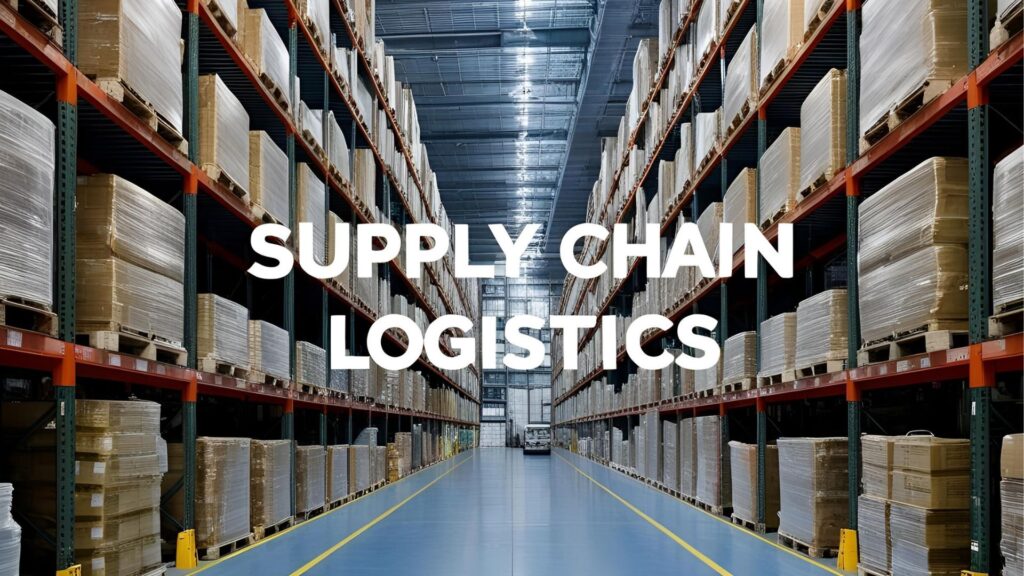
As construction projects grow in scale and complexity, so does the pressure on suppliers to deliver the right materials, to the right site, at the right time—regardless of where those materials are stored. Coordinating deliveries from multiple warehouses is no small task. It requires precision logistics, centralized visibility, and proactive planning.
When you’re managing inventory across regions or hubs, every delay, mismatch, or miscommunication can create costly downstream impacts on job sites.
If you’re ready to scale operations and improve coordination between your warehouse network, here are expert tips to streamline and strengthen multi-warehouse delivery execution—without sacrificing speed, accuracy, or customer satisfaction.
Fragmented systems between warehouses make it harder to optimize loads, prevent duplicate shipments, and route deliveries efficiently.
Integrate all warehouse locations into a single ERP or order management system
Enable centralized visibility of inventory availability, order status, and truck dispatch
Automatically assign fulfillment warehouses based on proximity, stock levels, and route load optimization
Expert Tip: Use real-time order consolidation tools to combine shipments from multiple locations into a single delivery window when possible.
When multiple warehouses are involved in the same order, consistency is key to reducing delays and errors.
Expert Tip: Use internal SLAs to align performance expectations across all locations.
Static routing doesn’t account for fluctuating warehouse inventory, delivery zones, or regional demand.
Load balancing algorithms that direct orders to the most efficient fulfillment center
Expert Tip: Coordinate with your 3PL or internal fleet to allow flexible pickup windows across multiple warehouses on a single route.
Deliveries involving multiple warehouses often require temporary holding areas to merge loads and prevent split deliveries.
Digitally track all components of the order using RFID, barcodes, or ERP-linked dashboards
Expert Tip: Set staging time limits to avoid material aging or misplacement.
Contractors expect precise delivery ETAs, and your internal teams need visibility across the supply chain to manage disruptions.
Use GPS and telematics to track trucks and shipments in real time
Expert Tip: Set up exception alerts for incomplete loads, missed pickups, or in-transit delays so they can be resolved early.
Scaling multi-location delivery operations requires teams that understand how to work across locations and functions.
Expert Tip: Assign regional logistics leads who can facilitate coordination between warehouses on complex orders.
Without performance data, it’s difficult to know what’s working—or where bottlenecks are forming.
Expert Tip: Review performance in regular cross-location logistics huddles and use findings to improve workflows.
As your distribution network scales, so does the complexity of your delivery operations. Coordinating across multiple warehouses is no longer optional—it’s a strategic advantage when done right.
With the right systems, communication protocols, and visibility tools in place, you can deliver faster, more accurately, and more reliably—even as volume and territory expand.

