
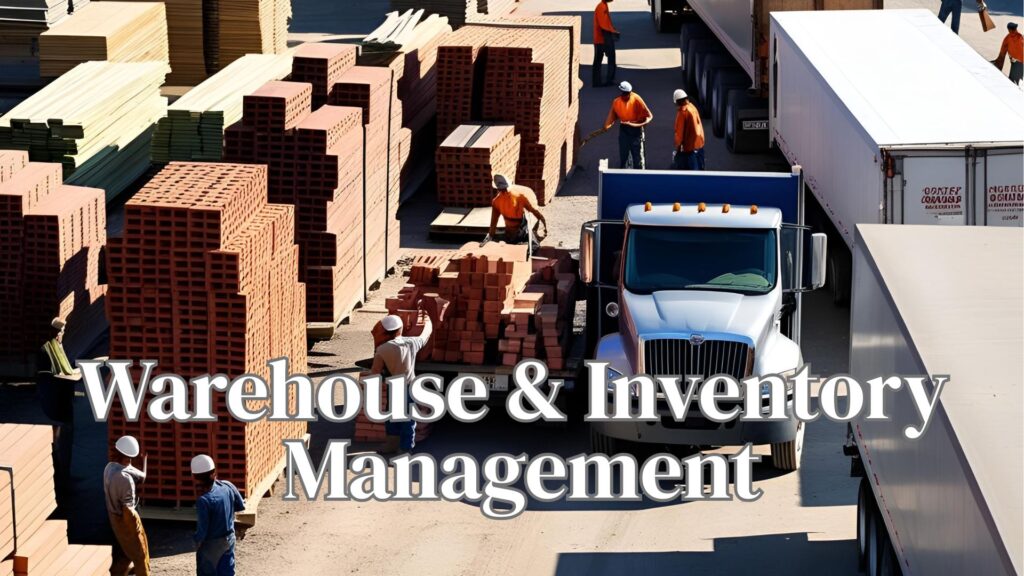
Staging is one of the most critical—but often overlooked—phases of the delivery process in building material distribution. It’s that key window between picking and dispatch when materials are grouped, inspected, and prepared for loading.
In 2025, the pressure to get it right is higher than ever. Contractors expect deliveries to arrive on time, complete, and in the right sequence for job-site workflow. Any delay or misstep in staging can create ripple effects across the entire supply chain.
This year, technology, layout design, and real-time data are shaping a new standard for material staging—one focused on speed, precision, and visibility.
Here are the top trends in material staging best practices every distributor should be watching (and implementing) in 2025.
Gone are the days of a single staging area for all outbound orders. Leading distributors are now designing staging zones based on:
✅ Trend Insight: Some operations now use color-coded floor markings and digital signage to designate staging areas.
In 2025, more ERP systems support staging status as a distinct inventory state, allowing teams to:
✅ Bonus: ERP alerts can notify teams when a staged order is idle too long.
Leading yards now use mobile devices to scan and verify each item as it enters the staging zone, ensuring:
Real-time ERP updates reflect that the order is ready to load
✅ Trend Insight: Many mobile apps now include photo capture for high-value or fragile items during staging.
Staging is getting smarter—and faster. With tight driver schedules and job-site demands, more companies are now:
✅ Pro tip: Use digital load boards to show drivers and warehouse teams what’s coming next.
It’s not just what gets loaded—but how it gets loaded. 2025 best practices now involve staging in reverse order of delivery:
✅ Tech tip: Some ERP systems now support load-sequencing tags or scan-based loading checklists.
With rising material costs, quality control has become part of staging. Teams now include:
✅ Trend Insight: Some distributors now pair drones or handheld cameras with AI to flag visibly damaged pallets automatically.
In 2025, material staging is evolving from a physical task into a data-driven, tech-enhanced workflow that connects ERP, mobile tools, and warehouse layout design.
Done right, staging reduces delivery errors, speeds up fulfillment, and improves customer satisfaction—while giving your team real-time visibility into what’s ready to go, and what’s not.
📦 Want help improving your staging workflow with mobile tools and ERP integration? Let’s walk through your current setup and design a faster, smarter process.
