
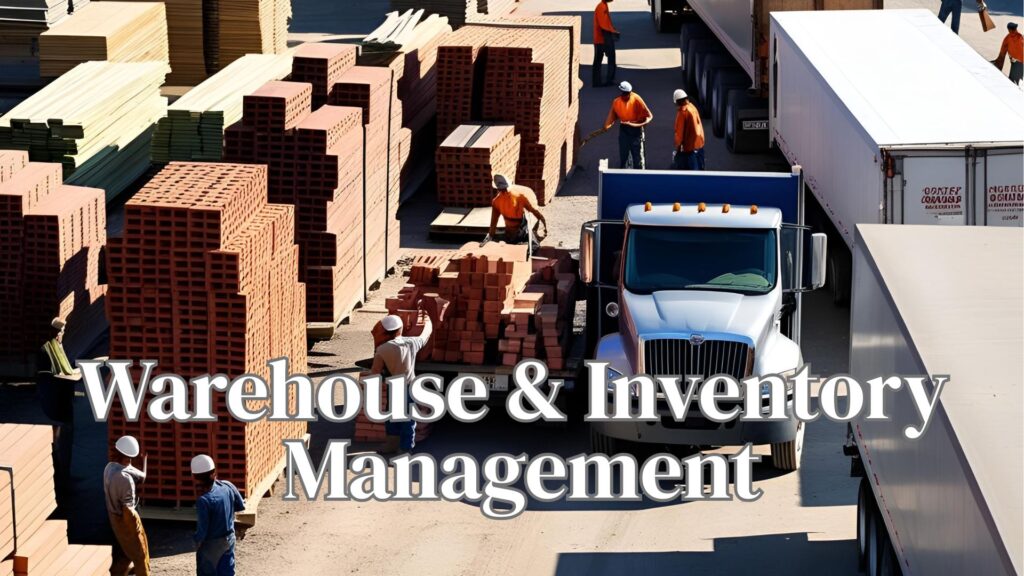
In the fast-evolving world of warehouse and inventory management, Internet of Things (IoT) technology is revolutionizing how building materials are stored, monitored, and protected. Whether you’re handling lumber, piping, cement, or chemical-based construction products, one thing is clear—environmental control matters. With IoT sensors, warehouses now have the ability to track real-time conditions around the clock, reduce loss, and automate storage insights like never before.
This beginner-friendly guide breaks down exactly how IoT sensors work, their benefits, and how you can start using them to protect your materials and streamline operations.
What Are IoT Sensors?
IoT sensors are small, smart devices connected via the internet or local networks that collect and transmit data in real-time. They’re typically installed in strategic areas within warehouses, yard spaces, or even on individual shelving systems.
These sensors can track a wide range of environmental and inventory-related variables, including:
The data they collect is sent to your ERP or Warehouse Management System (WMS), where it can be monitored on dashboards, analyzed, or used to trigger automated alerts.
Building materials are highly sensitive to their storage environment. In fact, many damages and inventory losses are caused not by handling mistakes, but by poor storage conditions. Here’s why monitoring matters:
Lumber can warp, expand, or grow mold in high-humidity environments.
Piping (especially PVC or metal) may become brittle or corrode if exposed to extreme temperatures or moisture.
Cement bags and adhesives can spoil quickly in damp or unregulated conditions.
Paints and chemicals must often be stored within specific temperature ranges to remain usable.
With fluctuating weather conditions—especially in outdoor yards—manual monitoring simply isn’t reliable or scalable. This is where IoT steps in.
Gain 24/7 access to live data about temperature, humidity, and other critical factors from anywhere. With mobile access, supervisors can monitor multiple yard locations at once.
Set thresholds for environmental conditions. When something goes outside the safe range (e.g., humidity over 60%), the system immediately alerts the team, allowing you to relocate materials or activate ventilation systems.
Avoid expensive losses from ruined materials by proactively managing the storage environment. This is especially valuable for seasonal inventory or high-value items like treated wood or specialty piping.
Many construction materials have regulations for safe handling and storage. IoT sensors automatically create a digital log of conditions—useful during audits or for insurance claims.
Over time, data collected can help you identify areas in your warehouse or yard with persistent issues—like hotspots or leaks. You can then reconfigure layouts or introduce structural changes for better storage optimization.
IoT sensors can be deployed in a range of storage zones:
They can also be attached to pallets, containers, or even forklifts for additional tracking capabilities.
Identify High-Risk Materials Start with materials most susceptible to environmental changes. Prioritize where damage has previously occurred or where customer complaints are common.
Select Sensor Types Match the sensor to the monitoring goal. For example:
Temperature & humidity sensors for wood, adhesives, or chemicals.
Vibration sensors for fragile or breakable items.
GPS or motion trackers for mobile storage units or vehicles.
Integrate with ERP or WMS Make sure your ERP software can display real-time sensor data, trigger workflows, or create reports for audit trails.
Install Strategically Don’t just drop sensors randomly—place them at material level, near ventilation, and across both hot and cold zones.
Train Staff Teach employees how to interpret sensor data and how to respond to alerts. Assign responsibilities for maintenance and regular calibration.
Start Small, Scale Fast Begin with one warehouse or one product category. Once benefits are proven, expand across all storage locations and categories.
A regional distributor of treated lumber in the Midwest installed IoT sensors in their outdoor yard where high humidity and snowmelt were causing product warping. Within two months, alerts helped them adjust tarping and rotate stock faster, reducing warped lumber returns by 40%. The investment paid for itself in one season.
IoT sensors aren’t just for tech giants—they’re now a practical, affordable solution for building material suppliers of any size. From reducing product loss to improving efficiency and compliance, these smart devices can give your warehouse operations a competitive edge. If you’re ready to bring your inventory management into the future, IoT monitoring is the perfect place to start.

