
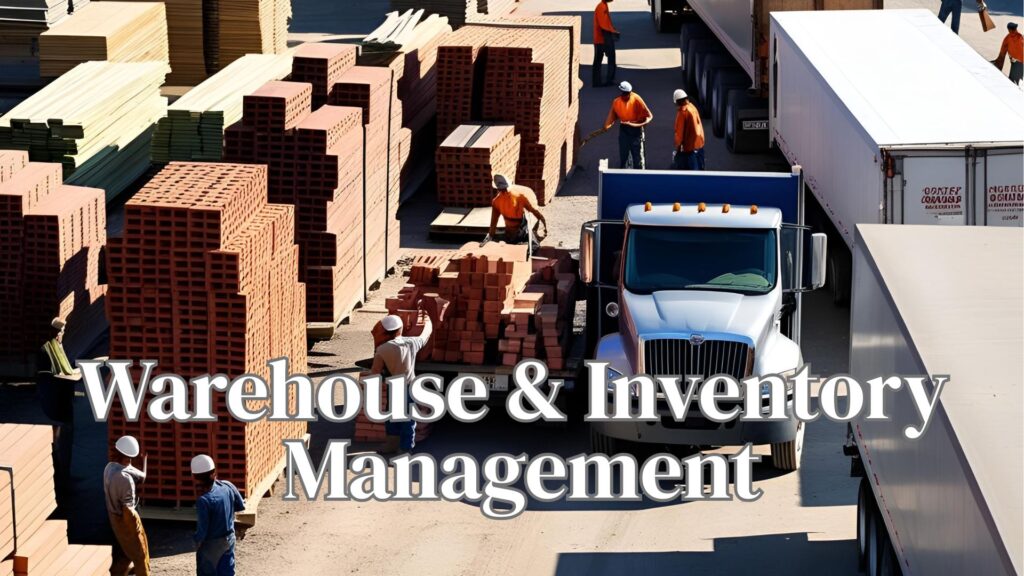
Oversized building materials—think long steel beams, 16-foot framing lumber, bulky trusses, insulation rolls, and concrete culverts—are among the hardest items to store, track, and pick. Their size and irregular shape often push standard warehouse practices to the limit.
Whether you’re working with indoor racks, open-air yards, or mixed-format facilities, organizing oversized materials requires a strategy built around safety, access, and space optimization. Here are the most frequently asked questions and practical solutions.
…are considered oversized. These items require custom storage and handling workflows.
Use zoning: dedicate specific areas to oversized materials and label them clearly
Pro Tip: Assign bin codes or zone tags in your ERP system—even for open yard areas.
For long or bulky items, cantilever racking is the industry standard. It offers:
For massive, heavy stock (like concrete forms), ground stacking on cribbing or racks may be more practical.
Store the most frequently picked materials at ground level or lower rack arms
Don’t sacrifice safety for speed—dropping a 20-foot pipe bundle can be catastrophic.
Drone or IoT sensors to monitor placement, exposure, or movement in yards
Integrate these tools with your ERP to track item location, age, and movement history.
Flag the condition, reason for return, and whether it’s eligible for resale, scrap, or credit.
Poor organization slows fulfillment and increases the chance of injury or material damage.
Oversized building materials require oversized attention. With the right racking, zoning, ERP integration, and staff training, you can keep bulky inventory organized, safe, and flowing efficiently through your operation—no matter the size.
Top Technologies Enabling Pallet Racking Systems for Storing Lumber and Piping
Pallet racking systems have come a long way. For distributors storing long, heavy, and high-turnover materials like lumber and piping, traditional steel racks aren’t enough. Today, the best racking solutions are smarter, safer, and more adaptable, thanks to advanced technologies built into their design and monitoring systems.
Let’s look at the top technologies shaping modern pallet racking systems—and how they’re helping building materials suppliers run safer, more efficient warehouses and yards.
Cantilever racks remain the gold standard for long materials. What’s changing is how they’re monitored.
This reduces risk of rack failure and helps enforce load limits in busy environments.
High-traffic areas near racking systems are prone to forklift damage. New impact-detection systems include:
These systems improve rack longevity and reduce inspection costs.
This helps you design racking layouts that adapt to changing sales patterns, seasonality, and product mix.
Combine with rack-mounted scanners or drone-based audits for maximum efficiency.
Adjustable: Rack arms, depths, and widths can be adapted for different materials
Mobile (for indoor use): Some pallet racking now includes track-mounted systems to compact space
These systems maximize flexibility and extend the life of your investment.
For yards storing lumber or piping outdoors, modern racks are coated with:
These features reduce maintenance and prevent structural failures in harsh environments.
Before installation, use 3D modeling tools to create a digital twin of your racking system. These platforms help:
The result: fewer design errors, better compliance, and faster installation.
Today’s pallet racking systems are more than steel and bolts—they’re integrated, tech-enabled storage solutions. By choosing racks with built-in sensors, flexible configurations, and real-time data integration, distributors can keep long, heavy materials organized, safe, and ready for action in even the most demanding yard or warehouse.
