
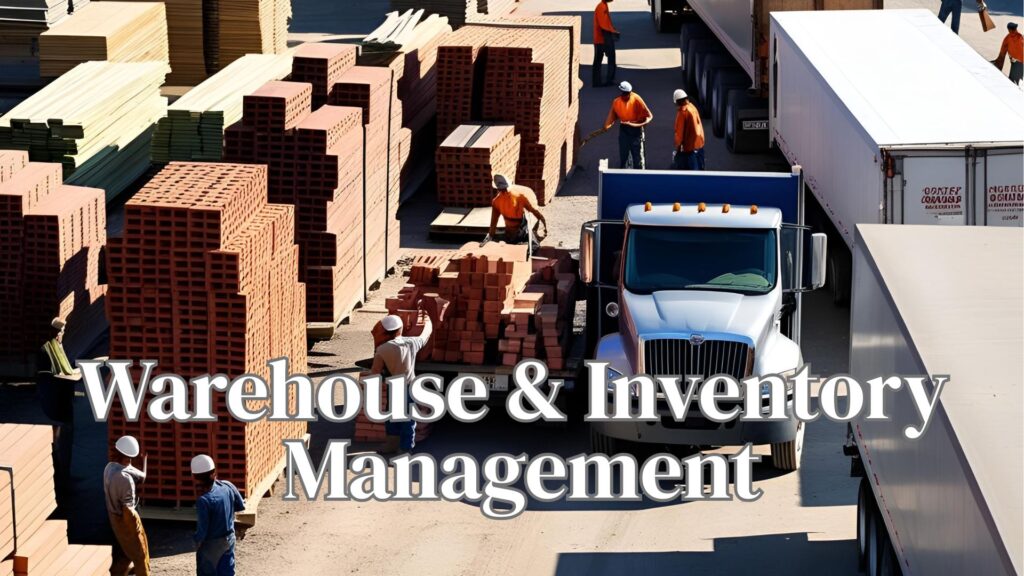
In the building materials business, the moment between picking and delivery—material staging—is where accuracy, timing, and efficiency intersect. Staging may only take up a few square feet in your yard, but it can determine whether a job site runs smoothly or grinds to a halt.
Missed items, incorrect sequencing, or delays during loading can disrupt an entire day’s worth of deliveries. That’s why more suppliers are turning to ERP systems to enforce staging best practices and bring predictability to one of the most overlooked phases of the fulfillment process.
Here’s how ERP software supports smarter, safer, and faster material staging—especially in multi-yard operations.
Good staging starts with knowing exactly what materials need to be pulled, in what order, and by what time. ERP systems give operations teams a centralized view of:
This kind of visibility eliminates the guesswork and constant radio chatter between office and yard. It also helps dispatch prioritize what gets loaded first based on delivery windows, route stops, or job site sequencing.
In a well-run yard, staging areas are clearly marked and organized by delivery route, truck, or dispatch time. ERP systems can support this by assigning staging zones during order creation and tracking staged SKUs by location.
This structure ensures that teams aren’t wasting time searching for materials or reshuffling loads at the last minute.
ERP systems that integrate with barcode scanners or mobile devices make it easy to confirm that the right materials are staged. As items are picked and placed in the staging area, they’re scanned and matched against the original order.
If a wrong item is picked, the system alerts the team before it gets loaded. If something is missing, it’s flagged early—giving the team time to resolve the issue before it delays the truck.
One of the most common breakdowns in material staging is a disconnect between the warehouse and the delivery schedule. ERP software creates a real-time link between these teams by syncing staging status with dispatch planning.
When an order is marked “Staged and Ready,” dispatch sees it immediately and can assign it to a truck. No more phone calls, clipboard checks, or guessing whether a load is actually ready to go.
This tight coordination helps ensure that trucks leave on time, deliveries are accurate, and job sites aren’t left waiting.
When issues do occur—such as a missing item, incorrect quantity, or wrong material—ERP logs help you trace the exact point of failure.
Was the item picked incorrectly?
Was it never staged?
Was it swapped last-minute without updating the system?
With time-stamped records tied to each staging activity, it becomes much easier to troubleshoot problems, retrain staff, or improve the process.
For distributors operating more than one yard or fulfillment location, consistency matters. ERP software ensures that the same staging workflows, labeling systems, and status updates are used across every site—regardless of who’s running the floor.
Staging may not be the flashiest part of the fulfillment process, but it’s where a lot can go wrong—or very right. ERP systems bring structure and clarity to staging by connecting picking, loading, and delivery into one seamless flow.
When done correctly, staging becomes more than a holding area—it becomes a performance zone where efficiency, accuracy, and customer satisfaction are built into every load.
Interested in how ERP can streamline your staging process across yards?
Let’s walk through your current setup and show you how a connected system can save time and eliminate delivery errors.

