
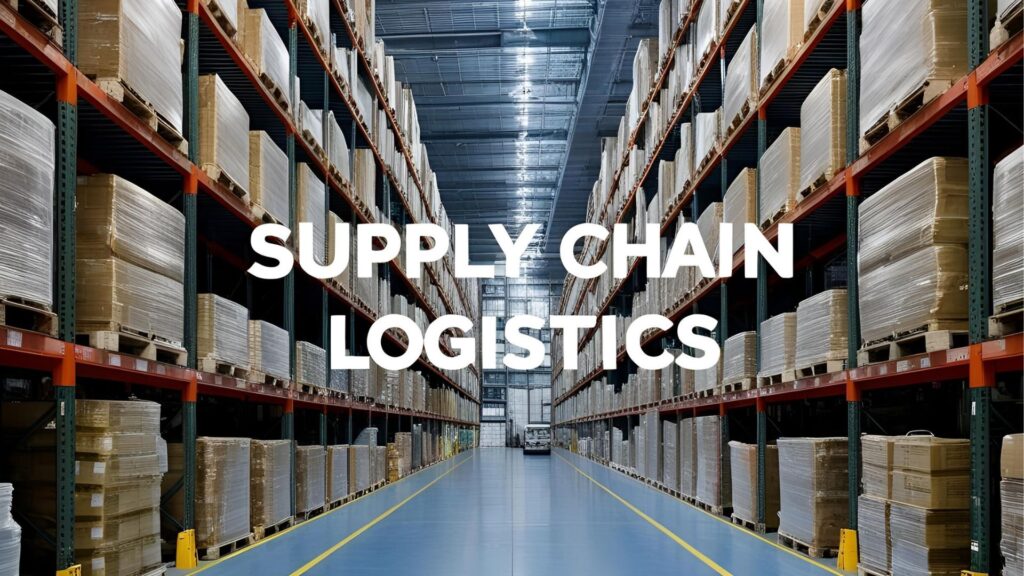
Yard staging is a critical process in construction material distribution, especially when fulfilling large-volume or multi-SKU orders. Done right, it ensures smooth loading, efficient dispatch, and timely deliveries to job sites. Done wrong, it leads to delays, material damage, misloads, and costly rework.
In 2025’s high-volume logistics landscape, optimizing yard staging isn’t just about managing space—it’s about improving speed, accuracy, safety, and customer satisfaction.
Here’s a step-by-step process to help you optimize yard staging for large-volume orders, reduce waste, and streamline final-mile logistics.
Start by assessing how your yard currently operates.
You can’t improve what you don’t understand. Identify inefficiencies before redesigning your process.
Segment your yard into functional staging zones.
Use color-coded signage, ground markings, or digital dashboards to keep teams aligned.
Minimized confusion, faster loading, and fewer misloads.
Manual yard tracking leads to misplaced materials and slow operations. Upgrade to a digital yard management system (YMS) or use staging modules within your ERP.
It creates transparency and accountability—critical for large, complex orders.
Don’t stage based only on when orders were picked. Stage based on how and where they’ll be delivered.
Bonus Tip: Pre-assign loads to specific trucks or drivers to minimize dock wait time.
Build consistency into your operations to reduce rework.
Reduces errors and ensures the right materials are loaded, in the right order, every time.
Step 6: Use Covered or Protected Staging Areas for Sensitive Materials
Exposure to weather can damage critical materials like drywall, adhesives, or treated wood.
Preserved material integrity and fewer returns from the job site.
Technology means nothing without the right people and process.
Tip: Use shadowing, visual guides, and routine walk-throughs to reinforce consistency.
Track performance data to refine your yard staging process over time.
Action step: Run monthly reviews with yard and dispatch teams to adjust workflows based on actual performance.
In large-volume distribution, yard staging isn’t just about moving materials—it’s about managing complexity at scale. By following a clear, step-by-step process and combining digital tools with disciplined operations, you can turn your yard into a competitive advantage.
Construction material suppliers who optimize staging will deliver faster, more accurately, and with greater contractor confidence—no matter how complex the order.

