
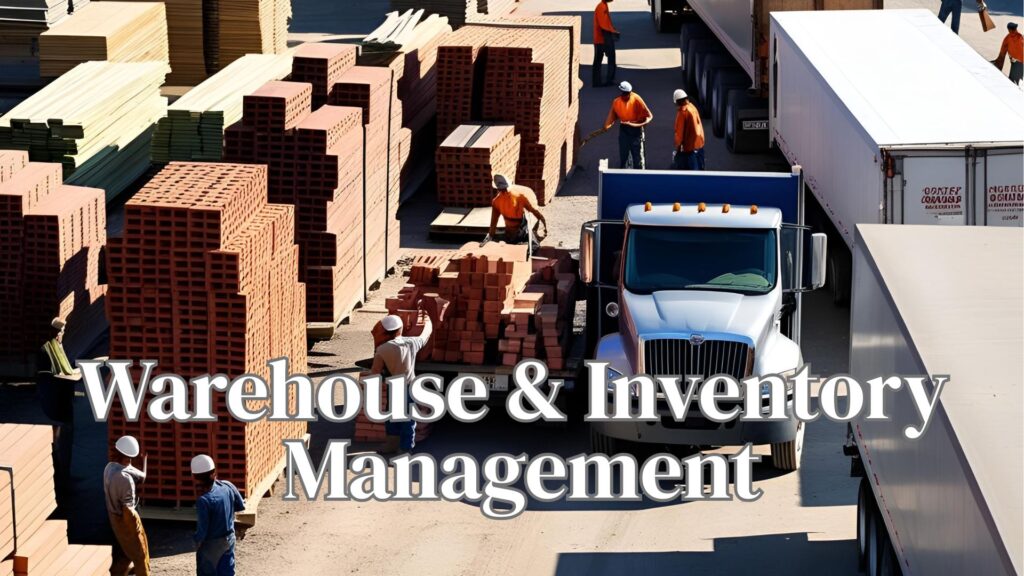
In a yard or warehouse full of building materials, environmental conditions can make or break your inventory. Materials like drywall, insulation, sealants, adhesives, wood, and cement-based products can quickly lose their usability—and resale value—if exposed to the wrong temperature, humidity, or air conditions.
Most distributors now understand the importance of IoT sensors for tracking environmental variables. But once the sensors are installed, many companies fail to move beyond basic monitoring.
This blog covers advanced tips for using IoT sensors not just to gather data—but to drive real operational improvements.
Most teams use sensors to trigger alerts when humidity or temperature crosses a threshold. But the real ROI comes when your ERP or WMS reacts automatically.
If humidity > 70% in insulation storage → Trigger a task for yard staff to inspect nearby SKUs
If a sensor detects freezing temps → Automatically flag affected items as “on hold” until checked
If temperature exceeds safe limits in a chemical storage zone → Notify maintenance and lock dispatch on affected products
✅ Why it matters: No more missed alerts, manual chasing, or guessing who should act.
✅ Why it matters: Turns passive monitoring into active quality control.
Not all storage areas are equal. High-risk zones (e.g., temporary outdoor racks, chemical cabinets, staging lanes) need tighter controls than low-risk zones.
Each group can then have custom thresholds and SOPs for alert response.
✅ Why it matters: Prioritizes response time and resource allocation based on actual business risk.
✅ Why it matters: Data-backed improvements lower damage costs and increase efficiency.
Sensors can fail. Batteries die. Connectivity drops. Advanced sensor management means monitoring the sensors themselves.
Many ERP-integrated IoT platforms offer this through centralized dashboards.
✅ Why it matters: Protects your monitoring investment and avoids gaps in coverage.
Some vendors and insurers require proof of storage conditions. Instead of scrambling to pull together screenshots or old reports, automate data archiving inside your ERP or connected system.
✅ Why it matters: Builds accountability and strengthens vendor relationships.
IoT sensors are much more than environmental “thermometers.” When managed properly, they become part of your inventory protection strategy, quality control workflow, and facility management plan.
If you’re already using IoT sensors, now’s the time to evolve—from monitoring to automating, from alerting to acting, and from tracking conditions to shaping operations.
📡 Want to take your sensor strategy to the next level? Let’s review your setup, fine-tune your alerts, and connect your ERP workflows for smarter, safer storage operations.
