
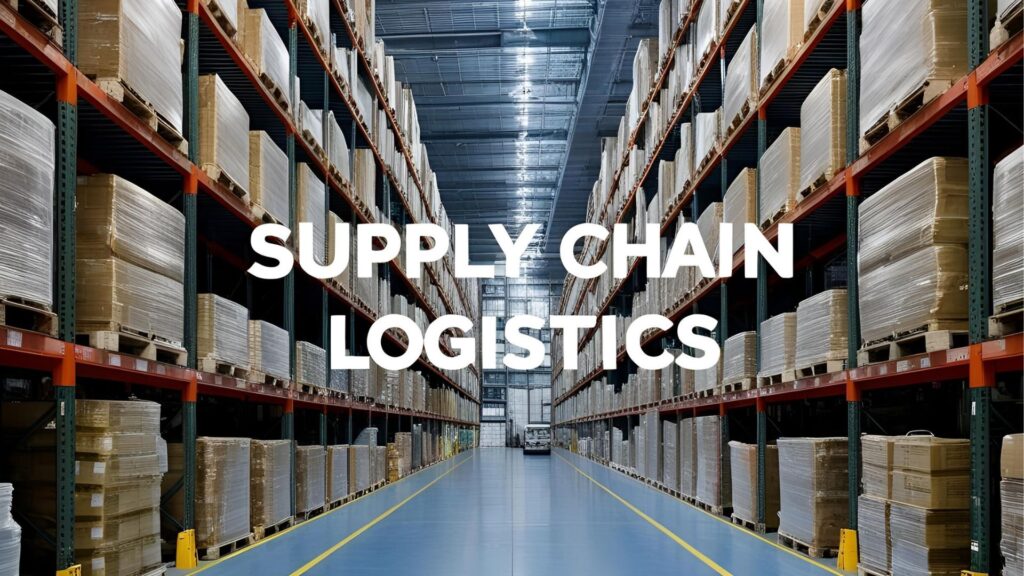
For construction material suppliers, effective inbound logistics is critical. Manufacturers provide the foundation of your supply chain—literally. But without proper coordination and visibility, managing inbound shipments can become a major source of cost, delay, and inefficiency.
From inconsistent delivery timelines to unclear packaging or incomplete documentation, small missteps in managing inbound freight can cascade into stockouts, project delays, and lost revenue.
In this post, we break down the most common pitfalls in inbound shipment management from manufacturers—and provide actionable strategies to help you avoid them.
Relying on manual updates, spreadsheets, or emails from manufacturers makes it difficult to know where your shipment is or when it will arrive.
Integrate with your manufacturers’ systems using EDI, API, or tracking portals
Require real-time tracking or milestone-based updates (e.g., in transit, customs cleared, delivered)
Inbound shipments arrive with missing or vague ASNs, making it hard for warehouse teams to prepare or verify deliveries.
Require detailed data: PO number, product list, quantities, weights, and ETA
Manufacturers use inconsistent or improper packaging and labeling, leading to damage, confusion, or extra handling at the receiving dock.
Manufacturers do not meet promised lead times or fail to update delivery windows when delays occur.
Multiple shipments arrive unannounced or at the same time, overwhelming dock operations and causing delays.
Implement an inbound scheduling system that allows manufacturers or carriers to book dock appointments
When shipments arrive with damage or missing products, there’s no clear process for resolution.
Require manufacturers to include return policies, damage thresholds, and response timelines in contracts
Procurement teams place orders, but receiving teams have limited visibility into what’s arriving or when.
Sync POs, shipment status, and receiving schedules in one centralized platform
Inbound shipments are the start of every successful material delivery. When inbound logistics breaks down, the rest of the supply chain pays the price. By avoiding these common pitfalls, material suppliers can:
The key is visibility, process standardization, and technology. With the right tools and supplier alignment, inbound logistics can become a strength—not a vulnerability.
