
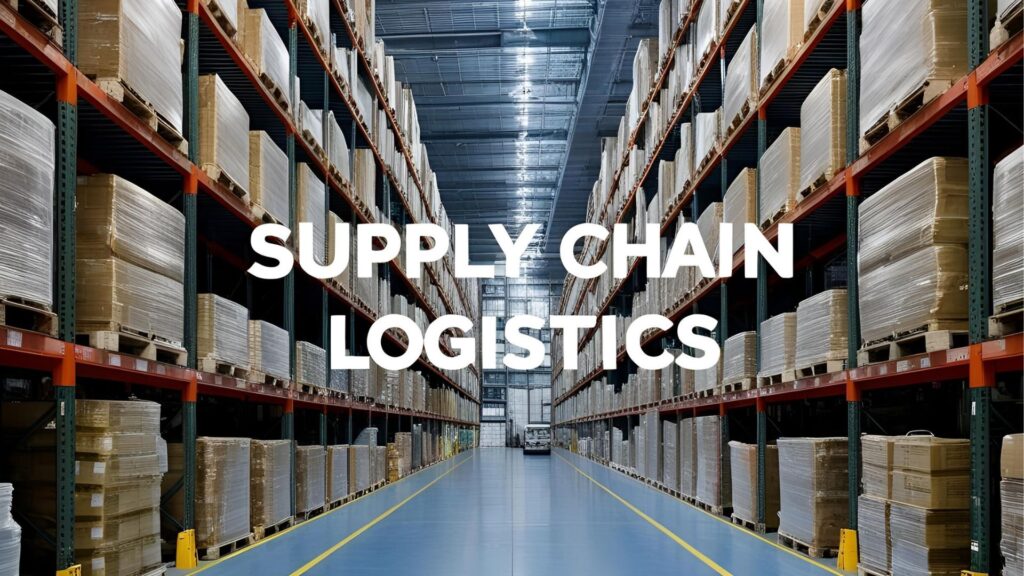
“In the building materials industry, managing deliveries from multiple warehouses is becoming a standard part of operations. Whether you’re a supplier, distributor, or logistics coordinator, streamlining this process can reduce costs, improve delivery times, and enhance customer satisfaction.
This beginner-friendly guide walks you through the essentials of multi-warehouse coordination with practical steps and insights.
As demand grows and construction timelines tighten, using multiple warehouse locations allows you to:
The key is ensuring your system is organized, connected, and scalable.
When managing deliveries from several locations, businesses often face these issues:
Fortunately, these challenges can be addressed with the right tools and processes.
Use a warehouse management system (WMS) or an ERP platform that allows real-time tracking of inventory across all warehouse locations. This gives you a clear picture of stock levels and enables smart order routing based on location and availability.
Create consistent communication protocols between warehouse teams, logistics staff, and dispatchers. Use shared platforms or documentation systems to ensure everyone is aligned on scheduling, inventory updates, and delivery expectations.
Delivery routes should be planned using software that considers warehouse location, job site proximity, traffic conditions, and delivery windows. Efficient routing cuts fuel costs, improves punctuality, and reduces labor hours.
If one order involves materials from multiple warehouses, aim to consolidate those items into a single shipment. This may involve routing them to a central hub or coordinating delivery times to reduce the number of site visits and handling delays.
Measure and monitor performance to identify areas for improvement. Focus on:
Use this data to continuously refine your coordination strategy.
To effectively manage multi-warehouse logistics, consider using digital solutions such as:
-Business intelligence platforms for reporting and analysis.
Choosing software that integrates with your existing systems will streamline implementation and minimize disruptions.
Coordinating deliveries from multiple warehouses doesn’t have to be complicated. With the right systems, clear communication, and a focus on data-driven decisions, your logistics process can become a competitive advantage.Start by improving visibility, establishing standards, and embracing tools that make coordination more efficient. Over time, you’ll see gains in speed, accuracy, and customer satisfaction.”
