
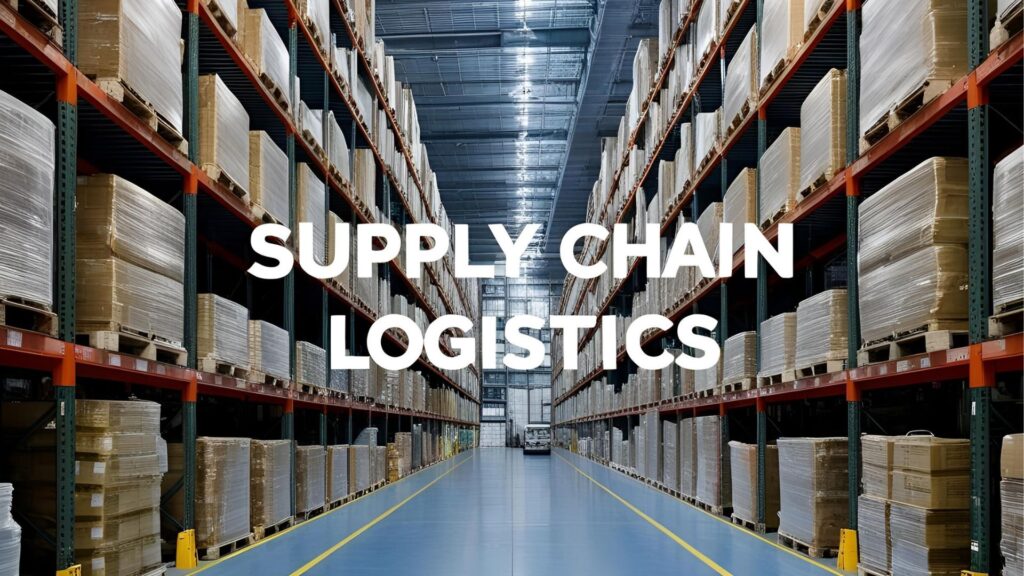
As your construction material distribution business grows, managing every aspect of logistics—fleet, warehousing, delivery, and returns—can stretch internal resources thin. That’s where third-party logistics providers (3PLs) come in. They help you scale, specialize, and simplify your logistics operation by taking on key fulfillment and transportation functions.
Whether you’re exploring your first 3PL partnership or want to understand the basics, this guide walks through what 3PLs do, how they can help, and what to expect when working with them.
What Is a Third-Party Logistics Provider (3PL)?
A 3PL is an external company that handles some or all logistics activities on your behalf, such as:
In construction material distribution, 3PLs can help you deliver faster, cover more regions, and reduce operational headaches—especially when managing bulky, heavy, or specialized loads.
Why Use a 3PL?
Focus: Free up internal teams to concentrate on sales and customer service
Do they understand construction material handling and delivery constraints?
Can they manage job site access, oversized loads, or mixed-material shipments?
Can they integrate with your ERP or TMS system?
Do they provide real-time tracking and delivery confirmations?
Do they cover your current and target markets?
Do they offer LTL, FTL, and last-mile delivery options?
Are delivery windows and performance standards clearly defined?
How do they handle delays, returns, and exceptions?
Clarify what you want to accomplish—faster delivery, regional expansion, better cost control, or improved reliability.
Understand how orders move from your warehouse to the customer, and where the 3PL will fit in.
Establish SLAs, delivery protocols, communication workflows, and responsibilities before going live.
Ensure data flows between your ERP, order system, and the 3PL’s platform for full visibility and control.
Test with a small region or product line to evaluate performance before scaling across the network.
Partnering with a third-party logistics provider can transform your ability to deliver construction materials faster, more reliably, and with less internal strain. For new and growing distributors, it’s one of the smartest ways to scale logistics without investing heavily in infrastructure or staff.
Start small, choose wisely, and build a relationship that supports your long-term growth.
