
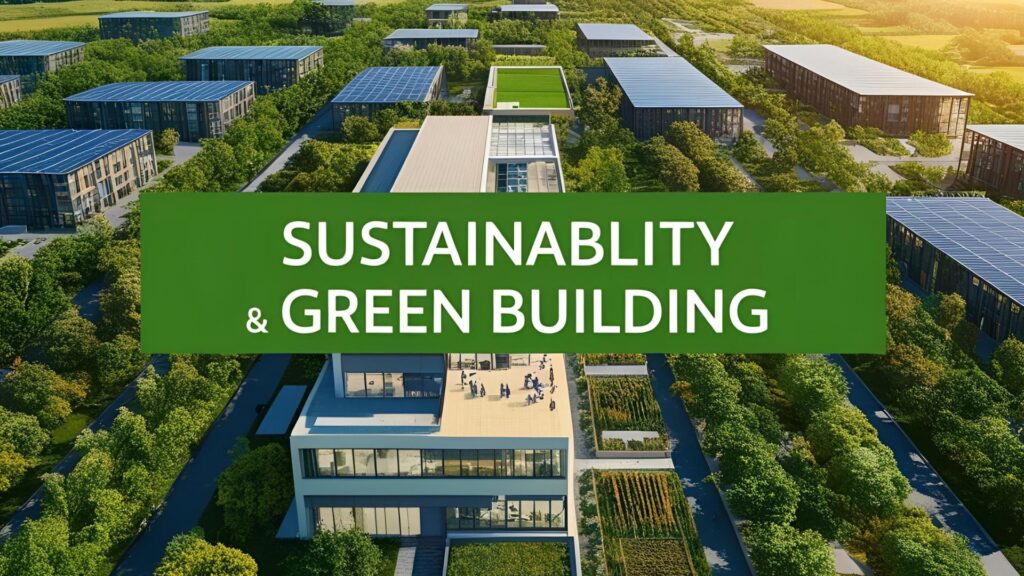
Incorporating sustainable cladding and roofing materials into warehouse operations is essential for reducing environmental impact and enhancing energy efficiency. Developing clear policies ensures consistency and commitment to sustainability goals.
Energy Efficiency: Materials like cool roofs reflect more sunlight, reducing cooling costs.
Durability: Sustainable materials often offer enhanced longevity, reducing the need for frequent replacements.
Environmental Impact: Utilizing eco-friendly materials minimizes the carbon footprint associated with building operations.
Inventory Audit: Evaluate existing cladding and roofing materials to identify areas for improvement.
Performance Analysis: Assess the energy performance and durability of current materials.
Energy Reduction Targets: Establish goals for reducing energy consumption through material choices.
Waste Minimization: Aim to decrease waste by selecting materials that are recyclable or have longer lifespans.
Cool Roofing Options: Consider materials that reflect more sunlight and absorb less heat.
Recycled Content: Opt for materials that incorporate recycled components, supporting the circular economy.
Supplier Standards: Partner with suppliers who adhere to sustainable practices and offer certified eco-friendly products.
Lifecycle Considerations: Prioritize materials with favorable lifecycle assessments, indicating lower environmental impact from production to disposal.
Staff Education: Inform employees about the benefits and proper handling of sustainable materials.
Installation Techniques: Provide training on best practices for installing and maintaining sustainable cladding and roofing.
Regular Inspections: Conduct periodic assessments to ensure compliance with sustainability policies.
Feedback Mechanisms: Establish channels for staff to report challenges and suggest improvements related to sustainable materials.
Developing and implementing policies for sustainable cladding and roofing materials is a strategic approach to enhancing warehouse sustainability. By systematically assessing, selecting, and managing materials, operations can achieve significant environmental and economic benefits.
