
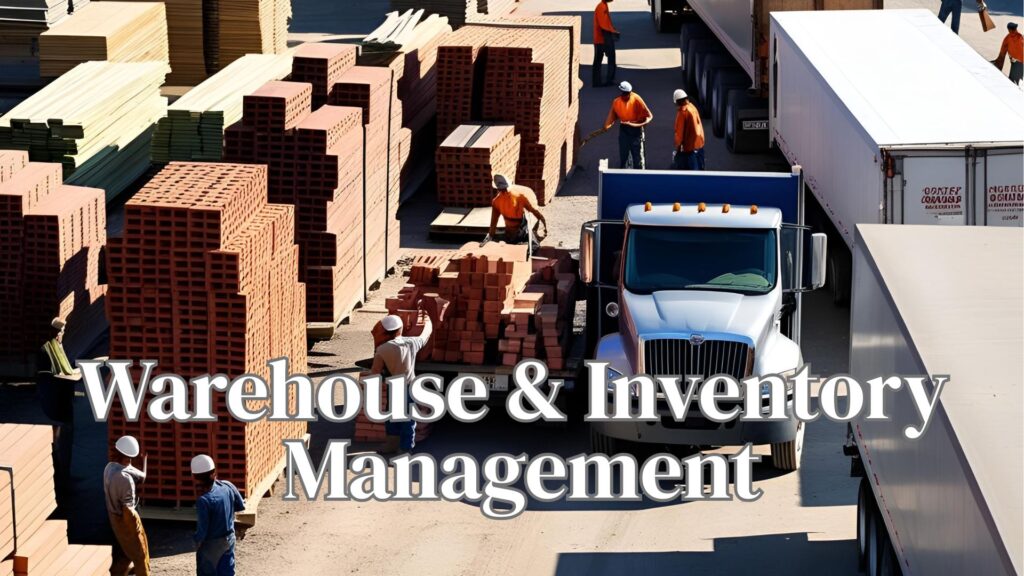
Material staging — the final step before loading — is where everything can go right… or very wrong. For building materials distributors, getting this phase right means faster deliveries, fewer errors, and a smoother overall customer experience. But when done poorly, it leads to misplaced items, damaged goods, delayed trucks, and unhappy clients.
Staging is often squeezed between picking and dispatch, and because of that, it’s one of the most vulnerable steps in your fulfillment workflow.
Here’s a practical list of staging best practices — and what to avoid — to help your team execute more efficiently and consistently, across every warehouse or yard.
Staging items by order may seem organized, but if they’re not loaded in route order, it causes inefficiencies at delivery.
Place fragile or time-sensitive goods near the top of the load
Why it works: Drivers spend less time rearranging and more time delivering in the correct sequence.
One of the biggest mistakes is using a single “open space” for all movements.
Use visual cues like color-coded floor tape or signage.
Even if picking is accurate, the wrong item can still end up staged — especially when items look similar (e.g., PVC vs. CPVC piping, or two lengths of lumber).
Flag discrepancies instantly so they don’t make it onto the truck
Result: Higher delivery accuracy and fewer returns.
Special-order SKUs are often high-value and customer-specific — and yet, they’re the most likely to be misplaced in generic staging areas.
Label each item with the customer name, jobsite, and delivery date
Use QR codes or scannable tags tied to the sales order
Store under cover or in secured zones if weather or theft is a concern
Bonus: Your ERP should flag when these items are staged and ready for quality check.
Some materials (adhesives, insulation, bagged cement) degrade if they sit in the sun or rain too long before loading.
Define max staging time windows by product type (e.g., 2 hours for moisture-sensitive goods)
Set alerts in your ERP if staging duration exceeds safe thresholds
Outcome: Fewer damaged goods and better jobsite-ready quality.
A cluttered staging area leads to tripping hazards, forklift delays, and damaged product.
Bonus Tip: Assign a staging zone lead per shift — it boosts ownership and accountability.
Staging isn’t just a stopgap between picking and delivery. It’s where visibility, accuracy, and operational momentum meet. When staging is standardized, system-driven, and clearly segmented, your team can move faster with fewer errors — and your customers feel the difference.
The best delivery process starts before the truck even arrives.
