
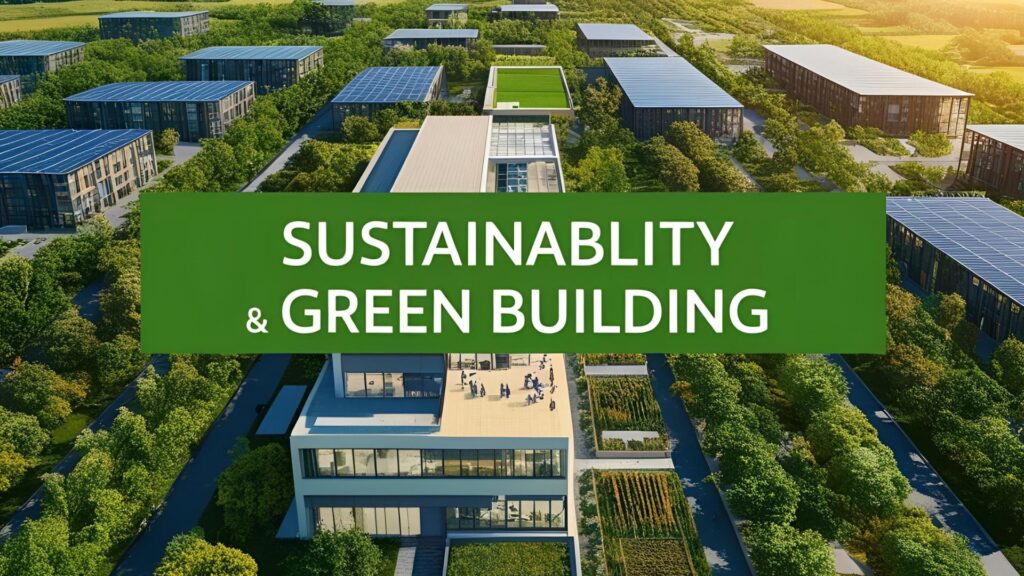
The building envelope plays a critical role in the sustainability and energy efficiency of structures. Selecting eco-friendly cladding and roofing materials can significantly reduce environmental impact while enhancing building performance. This article delves into sustainable alternatives for cladding and roofing, highlighting their benefits and considerations.
Utilizing salvaged wood reduces the demand for new timber and adds unique aesthetic appeal.
Made from post-consumer materials, these panels are durable, recyclable, and often have high recycled content.
Composed of sustainable materials like cement, sand, and cellulose fibers, offering durability and fire resistance.
Natural clay-based panels that provide thermal insulation and are fully recyclable.
Reflective materials that reduce heat absorption, lowering cooling costs and mitigating urban heat effects.
Integrate photovoltaic cells to generate renewable energy while serving as roofing material.
Made from waste materials like rubber or plastic, offering durability and diverting waste from landfills.
Lower carbon footprint through the use of recycled and natural materials.
Diverse design options that can enhance the visual appeal of buildings.
Ensure chosen materials are suitable for the local climate and weather conditions.
Exploring and implementing sustainable cladding and roofing materials is a proactive approach to constructing environmentally responsible and energy-efficient buildings. By carefully selecting materials that align with sustainability goals and project requirements, builders and developers can contribute significantly to a greener future.
