
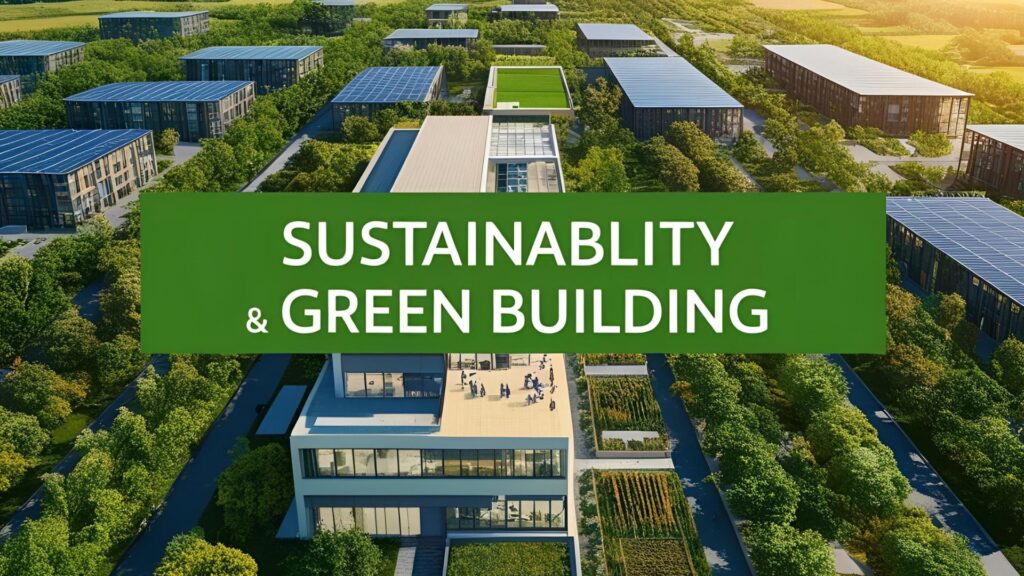
Sustainability is becoming a top priority on job sites — and insulation is one of the easiest places for contractors to make greener choices. While fiberglass and foam remain common, more builders are exploring eco-friendly insulation alternatives that are safer to handle, less energy-intensive to produce, and better for long-term air quality.
As a distributor, you play a key role in helping your customers understand these products, how to use them, and how they compare to traditional materials.
Here’s how to educate your customers about green insulation alternatives — and how to use your ERP and marketing tools to support the conversation.
🌿 WHAT MAKES AN INSULATION PRODUCT “GREEN”?
Not all eco-products are created equal. Here’s what to look for:
📄 Include this info in your ERP’s product specs and sales resources — make it accessible at the counter, in quotes, and on your website.
📦 Add usage notes and LEED contribution scores to each SKU in your ERP for field support and quick quoting.
Side-by-side R-value, installation method, moisture handling, sustainability points.
📲 Include these in your ERP-linked product pages or as downloadable PDFs in customer portals.
🧠 Add auto-suggested “eco bundles” in your ERP so counter teams don’t miss key products.
📋 Use your ERP to assign materials to projects or store by contractor account.
Green insulation is a conversation — and you can lead it. With the right education, clear product data, and smart ERP setup, your team becomes a trusted resource for contractors looking to build better, safer, and more responsibly.
📞 Want help tagging sustainable insulation SKUs or adding comparison tools to your ERP catalog? Let’s build smarter buyer workflows.
