
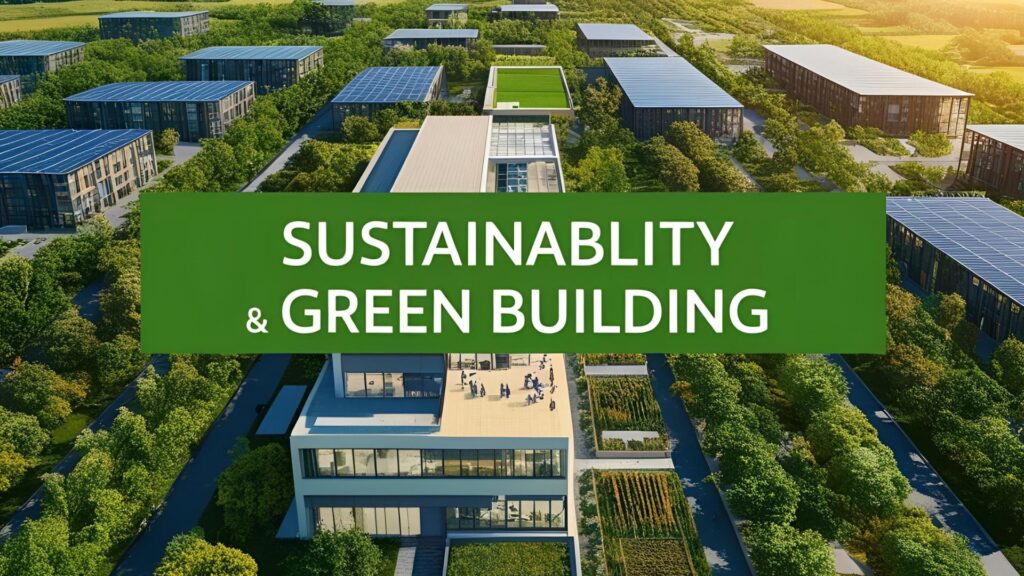
Incorporating recyclability and end-of-life (EOL) planning into your distribution strategy is not just an environmental imperative but also a competitive advantage. As sustainability becomes a focal point in construction, distributors play a pivotal role in ensuring materials are not only high-quality but also environmentally responsible throughout their lifecycle.
🌍 Why Focus on Recyclability and EOL Planning?
Regulatory Compliance: Many regions are introducing regulations that mandate responsible disposal and recycling of building materials.
Customer Demand: Builders and contractors are increasingly seeking materials that align with green building certifications and sustainability goals.
Cost Efficiency: Effective EOL planning can reduce disposal costs and open avenues for material reuse or resale.
Evaluate the recyclability of materials you currently distribute. Identify products that are recyclable, reusable, or biodegradable.
Partner with suppliers who prioritize sustainable production and provide clear recycling guidelines for their products.
Train your sales and logistics teams on the importance of recyclability and EOL considerations. Provide clients with information on how to handle materials post-use.
Establish systems where clients can return used materials for recycling or proper disposal, enhancing customer loyalty and ensuring responsible EOL management.
Utilize your ERP system to track materials’ lifecycle, monitor returns, and manage recycling processes efficiently.
Enhanced Brand Reputation: Position your company as a leader in sustainable distribution.
Market Differentiation: Stand out in a crowded market by offering added value through sustainable practices.
Long-Term Cost Savings: Reduce waste management costs and potentially generate revenue from recycled materials.
