
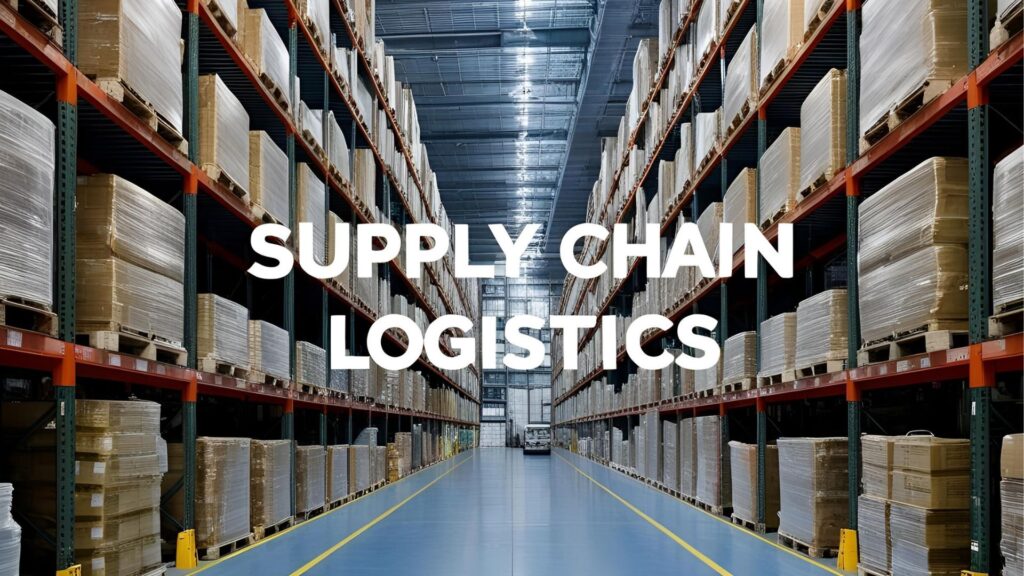
In the construction materials supply chain, delays are unavoidable—but bottlenecks, missed windows, and job site disruptions don’t have to be. The difference between a minor hiccup and a costly logistics failure often comes down to how quickly and effectively you can respond.
As distribution networks grow more complex, real-time delay management and rerouting are essential for keeping operations efficient, contractors informed, and projects on track.
Here’s how to improve how your distribution network handles delays and rerouting in real time—using the right tools, workflows, and communication strategies.
You can’t fix a delay you don’t see. Real-time GPS tracking enables dispatchers to monitor the live location of every vehicle, allowing them to identify slowdowns or route disruptions instantly.
Pinpoint issues in the moment—not hours later—and take action quickly.
Static routes are outdated the moment a truck hits unexpected traffic, weather, or site issues. Dynamic routing tools automatically adjust based on real-time events.
Your trucks stay productive, and your deliveries stay on schedule—even when the plan changes.
Manual delay monitoring leads to missed exceptions and slow response times. Automating alerts ensures nothing slips through the cracks.
Configure alerts for excessive dwell time, stalled vehicles, or route deviations
Tip: Use these alerts to notify both internal teams and job sites of rerouting events in real time.
Delays create confusion—especially if job site crews don’t know when or if materials will arrive. Real-time rerouting is only effective if it’s clearly communicated.
Use shared apps or messaging platforms to keep dispatchers and drivers in sync
Send automated ETA updates to job site contacts via SMS or email
Train drivers to report issues and provide status updates through mobile apps
Everyone gets the same message at the same time—reducing miscommunication and site downtime.
Your teams shouldn’t have to make decisions from scratch every time a delay occurs. Standard response protocols help ensure consistency and speed.
Who to notify for each type of exception (internal and external)
Bonus: Use your playbook for training new dispatchers and drivers.
You can’t improve what you don’t measure. Track key metrics across your distribution network to identify gaps in your response strategy.
Feed this data back into your routing, staffing, and training decisions for continuous improvement.
Disjointed systems slow down decision-making. Integration ensures that real-time routing data flows into your central platforms—keeping sales, customer service, and finance informed.
Fewer silos, faster decisions, and better service across every department.
Delays in construction supply delivery are inevitable. But with the right systems in place, you can turn them into a competitive advantage by responding faster, rerouting smarter, and keeping contractors in the loop.
By improving how your distribution network handles real-time delays, you’ll increase delivery reliability, reduce waste, and strengthen customer trust—all without adding fleet or labor costs.
