
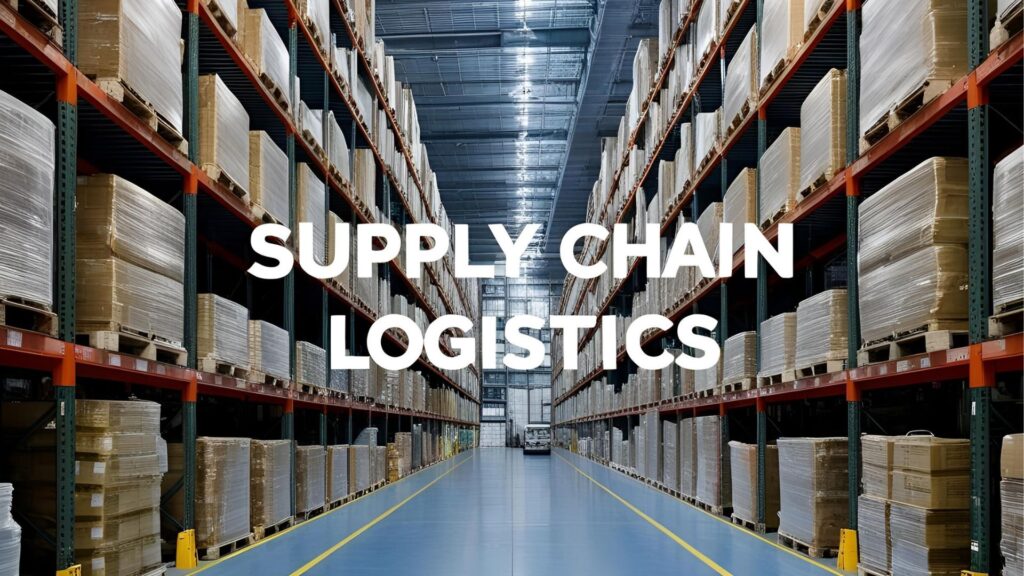
For building material distributors, managing inbound shipments from manufacturers is one of the most critical—and challenging—aspects of supply chain performance. Late arrivals, incomplete loads, poor communication, and unexpected delays can derail your warehouse schedules and compromise delivery promises to contractors.
That’s why more distributors are partnering with third-party logistics providers (3PLs) to improve visibility, coordination, and control over inbound freight. Done right, these partnerships can streamline receiving, improve inventory flow, and strengthen vendor performance—all while freeing your internal teams to focus on customer service and outbound execution.
Here’s how to successfully work with 3PLs to manage inbound shipments from manufacturers more effectively.
Before bringing in a 3PL, know what you want to improve.
Outcome: You’ll be able to align the 3PL’s responsibilities to your specific pain points.
Inbound logistics in the building supply chain isn’t the same as general freight.
Pro tip: Ask for inbound performance benchmarks from similar clients.
Without shared tracking, a 3PL can’t effectively manage inbound shipments—and you can’t monitor progress.
EDI or API feeds from your ERP to the 3PL’s TMS
Benefit: Everyone can see what’s coming, when it’s due, and whether it meets spec.
Coordinating inbound appointments is time-consuming and often inconsistent.
Give 3PLs the authority to book vendor pickups and schedule dock appointments at your facilities
Result: Manufacturers are held accountable, and your dock flow becomes more predictable.
Catching issues before they reach your warehouse saves time and prevents downstream errors.
Outcome: Cleaner inbound deliveries, faster unloading, and fewer surprises at the dock.
Delays or discrepancies need to be handled fast—especially when contractor delivery timelines are at stake.
When you’re notified of delivery issues and what documentation is provided
Benefit: Inbound problems are addressed before they create outbound bottlenecks.
You can’t improve what you don’t measure.
How to use them: Hold regular review meetings with the 3PL to evaluate trends, adjust strategies, and hold vendors accountable.
Inbound volume fluctuates with seasonality and large projects. Your internal team may not be built for surge capacity.
Result: Your inbound flow stays smooth, even during high-demand periods.
Inbound logistics is where many supply chain issues begin—but with the right 3PL partner, it doesn’t have to be. By outsourcing key inbound functions to a trusted 3PL, you gain flexibility, improve visibility, and create a more stable flow of materials into your distribution centers.
For construction material distributors, strong inbound performance means stronger outbound delivery, fewer delays for contractors, and greater operational efficiency. The key is treating your 3PL as an extension of your team—not just a vendor.
