
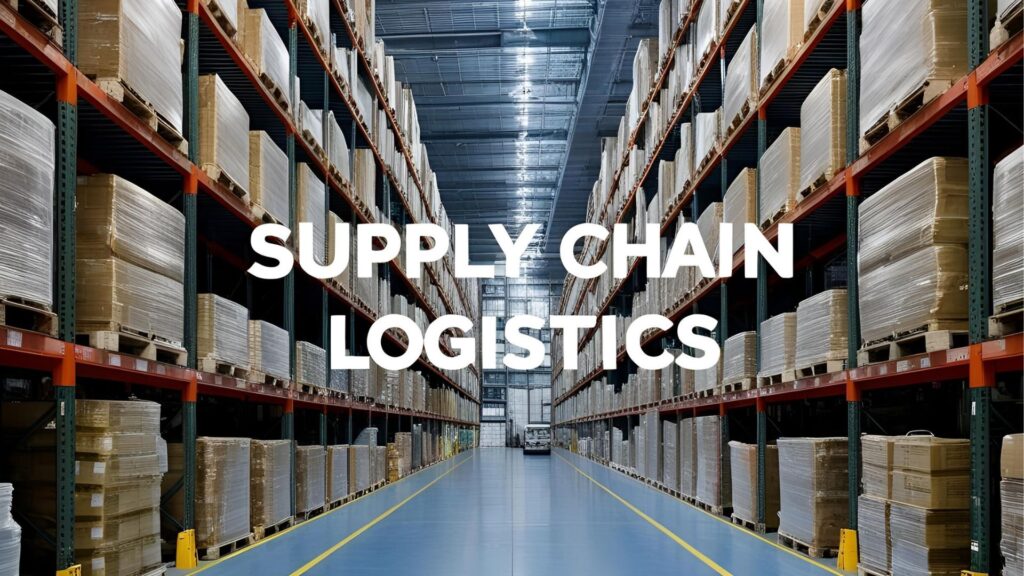
In the construction materials industry, vendor-managed inventory (VMI) is a smart way to reduce stockouts, increase turnover, and streamline replenishment. But VMI only works when both the vendor and distributor teams are aligned, informed, and proactive. Without proper training, even the most advanced VMI programs can fail due to communication gaps, inventory inaccuracies, or service-level breakdowns.
To fully capitalize on VMI, distributors must equip their teams with the knowledge, tools, and processes that support fast, accurate, and efficient collaboration with vendors.
Here’s a step-by-step guide to training your team for better VMI performance in the building supply chain.
Team members across departments need a shared understanding of what VMI is—and what success looks like.
The basic concept: vendors are responsible for maintaining agreed inventory levels
Outcome: Everyone on your team speaks the same VMI language from day one.
VMI touches multiple teams—procurement, warehouse, sales, customer service, and logistics.
Pro tip: Create a RACI matrix (Responsible, Accountable, Consulted, Informed) so every role is defined.
VMI depends on accurate inventory data. If on-hand counts are wrong, vendors can’t replenish effectively.
Result: Improved stock accuracy that leads to more consistent vendor fulfillment.
Frontline teams often answer contractor questions and need to know how VMI affects availability and lead times.
How to troubleshoot when a VMI item is delayed or unavailable
Benefit: Sales reps and CSRs can communicate with confidence and set realistic expectations.
Your purchasing team still plays a vital role in monitoring VMI vendor performance and ensuring targets are met.
Outcome: A proactive procurement approach that supports vendor accountability and smarter planning.
Inconsistent communication leads to inventory errors and delays.
Tip: Train your team to use a shared platform or digital log to track vendor conversations and issues.
Manual oversight of VMI is inefficient. Automated alerts and system triggers reduce risk.
Result: VMI operations that are proactive—not reactive.
Teams learn best by doing, not just hearing. Simulations prepare them for real-world issues.
A vendor fails to replenish a fast-moving item—what steps do you take?
Inventory shows a surplus of a slow-moving item—how do you address overstock with the vendor?
A contractor requests immediate delivery of a VMI item that’s at reorder point—how do you handle it?
Outcome: Teams gain confidence and consistency in their response.
Training should evolve with your VMI program. Tracking performance helps highlight where further support is needed.
Pro tip: Share KPIs in team meetings and use them to guide ongoing training.
Vendor-managed inventory can significantly improve your supply chain efficiency—but only if your team is equipped to manage it. With the right training, your staff becomes a proactive force in making VMI work: minimizing stockouts, improving vendor communication, and maximizing availability for your contractors.
In the building supply chain, where timing is everything, a well-trained VMI team gives you the control, consistency, and confidence to scale.
