
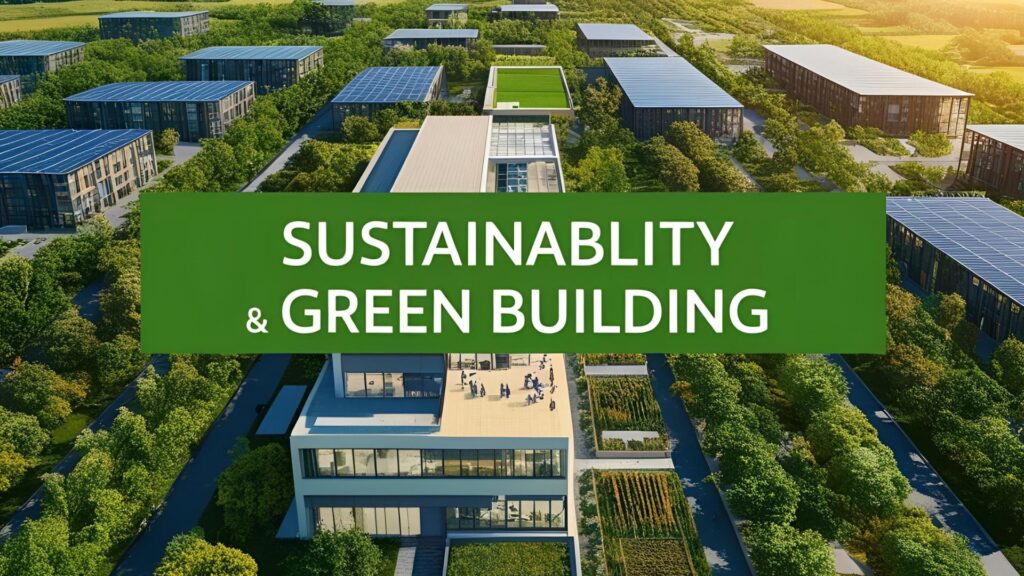
With utility costs rising and sustainability standards tightening, more building materials distributors are turning to solar power to reduce their carbon footprint and operating expenses. But going solar isn’t just about installing panels — it’s about tracking performance, reporting impact, and proving ROI to stakeholders.
That’s where your ERP system comes in. A well-configured ERP can help you monitor energy generation, cost savings, equipment data, and emissions reductions — all in one place.
Utility providers and government agencies offer rebates and tax credits for renewable energy investments
Solar infrastructure is increasingly affordable, with ROI periods shrinking to 5–7 years
📊 ERP dashboards should integrate with solar inverters or manually input logs to keep energy records updated.
📈 Create a report to calculate time to payback and projected lifetime savings.
Convert avoided emissions into equivalents (cars off the road, trees planted, etc.)
📲 ERP can auto-generate monthly sustainability reports using emissions data tied to energy use.
📦 Tie these assets into your ERP’s facilities management module for easy access and scheduling.
🧠 Your ERP can provide the proof behind your marketing.
Using solar power in warehouse operations shows leadership — tracking it through your ERP shows credibility. Together, they become part of your sustainability story and a value-add for customers looking for green-minded partners.
📞 Want to connect your ERP to solar dashboards, build ROI calculators, or automate CO₂ savings reports? Let’s light the way.
