
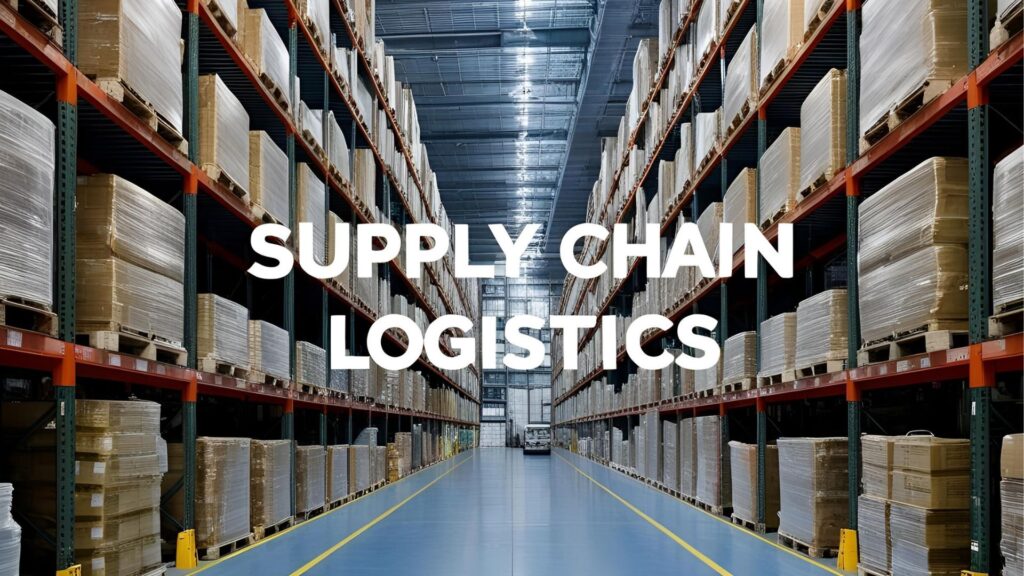
Drop-shipping has gained traction in the construction materials industry as a flexible, lower-overhead logistics strategy. For suppliers and distributors, the model can reduce warehousing costs, improve scalability, and allow a broader product offering without carrying excess inventory.
But drop-shipping in construction is not without risks. Unlike e-commerce, where consumer products can be packaged and shipped easily, construction materials require precision, timing, and coordination with job site logistics. A small mistake in supply chain execution can delay entire projects and damage client relationships.
In this article, we explore the most common pitfalls in construction materials drop-shipping—and more importantly, how to avoid them.
Relying on third-party manufacturers or distributors without real-time inventory syncing can lead to stockouts, overselling, and failed deliveries.
Contractors often place orders based on tight project schedules. Any delay in materials arriving on site can disrupt workflow and increase labor costs.
Partner with drop-shipping vendors who provide real-time inventory data via API or ERP integration.
Use a centralized order management system that checks supplier stock before accepting orders.
Drop-shipping often introduces an extra layer between the material source and the contractor. When communication breaks down, orders may arrive late, incomplete, or at the wrong location.
On a job site, timing is everything. Materials that arrive too early can crowd the site; materials that arrive late can halt progress.
Implement automated communication workflows that notify both supplier and contractor at key points (order confirmed, shipped, en route).
Establish service level agreements (SLAs) with vendors for order fulfillment timelines.
Since products are shipped directly from third parties, the seller has limited control over how materials are handled, packaged, or labeled.
Damaged or incorrect materials not only cost money to replace—they delay work and hurt your credibility with contractors.
Vet all drop-shipping partners thoroughly for product quality and compliance.
Conduct periodic audits or request photo verification before shipment.
Choose partners with construction-specific drop-shipping experience.
Drop-shipping returns often involve multiple parties, leading to delays in refunds or replacements and confusion for the customer.
Contractors expect quick resolution when materials are incorrect or damaged—especially under tight project schedules.
Offer a clear, centralized return process regardless of where the material originated.
Maintain strong back-end coordination with suppliers for return authorizations and shipping labels.
Automate return tracking and communication to reduce manual follow-up.
Without route optimization or consolidation, drop-shipping from multiple locations can increase delivery costs and carbon footprint.
Margins in construction material supply are already tight. Poor delivery planning eats into profitability and may frustrate environmentally conscious buyers.
Use logistics software to identify the most cost-effective supplier locations for each order.
Implement shipping rules that prioritize fulfillment from the closest or most efficient warehouse.
Consider hybrid models that combine warehousing for fast-moving items and drop-shipping for long-tail products.
Contractors expect professionalism, transparency, and reliability. If drop-shipping leads to inconsistent service or missed expectations, your brand reputation suffers—even if you’re not physically handling the materials.
In construction, trust is earned over time. A bad delivery experience can lose future business.
Brand the experience end-to-end, even when you’re not the shipper.
Provide accurate delivery ETAs, order tracking, and responsive support.
Hold your vendors to the same service standards you promise customers.
Drop-shipping can be a powerful logistics strategy in the construction materials sector—but only when executed with precision, technology, and accountability. By proactively addressing the pitfalls outlined above, suppliers can reap the benefits of drop-shipping without compromising quality or reliability.
Before scaling drop-shipping operations, ensure your systems, vendor relationships, and service standards are strong enough to support the unique needs of construction supply chains.
