
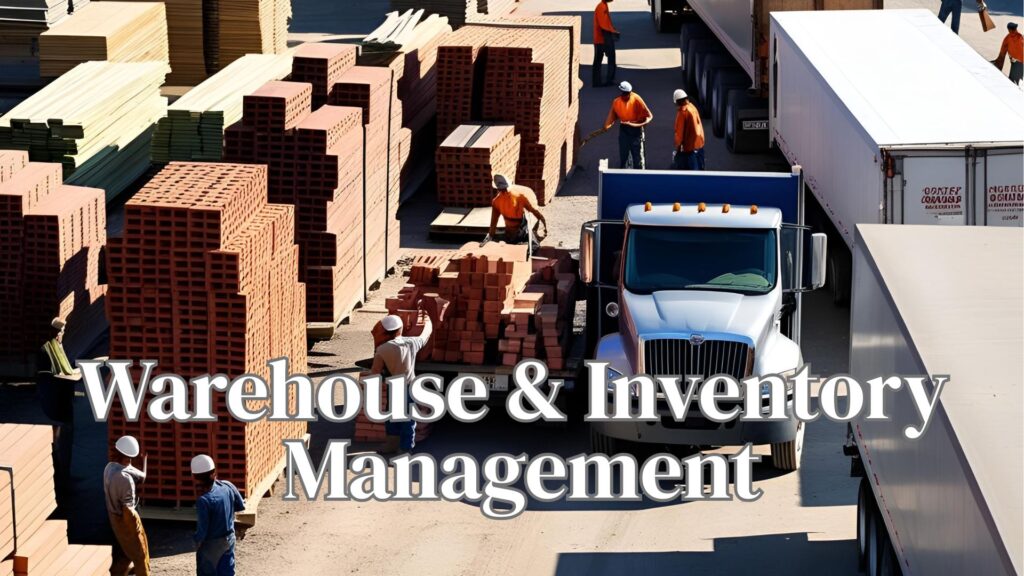
Material staging is a critical — yet often under-optimized — phase in the logistics workflow for building material distributors. It’s the bridge between picking and delivery, where accuracy, timing, and handling all come into play. When done right, staging ensures the right materials go out on time, to the right jobsite, with minimal errors and delays.
Here’s a step-by-step breakdown of how to execute material staging efficiently, with best practices tailored for high-volume, multi-yard distribution environments.
Start by designating a clear, organized space in your warehouse or yard specifically for staging outbound materials.
Pro tip: Use your ERP to assign staging zones for specific orders or SKUs — this improves loading sequence accuracy and reduces confusion.
Use mobile devices or scanners to verify each item in real time
Flag substitutions, backorders, or missing items immediately in the ERP system
This ensures that only complete and verified orders move into staging — preventing last-minute delays.
Use stretch wrap, pallets, bins, or cages to group related items
Label each package with delivery route, order number, and customer name
Include handling instructions if needed (e.g., “Do Not Stack,” “Top Load Only”)
Labels should be ERP-generated and scannable to avoid manual errors.
For multi-stop routes, staging by stop order avoids backtracking during unloading.
Trigger automated alerts to dispatch teams when a load is complete
This visibility prevents miscommunication between the warehouse and transport departments.
The ERP record is updated as “staged and ready for loading”
This verification step drastically reduces delivery errors and returns.
These metrics help optimize warehouse staffing and uncover inefficiencies in order flow.
Staging may only last a few minutes per order — but it’s where many delivery errors, damages, and delays begin. By standardizing this process and supporting it with ERP-driven workflows, you ensure that what leaves your yard is exactly what your customer expects.
As your distribution network grows, mastering staging will help you scale delivery operations without scaling errors or overtime costs.
