
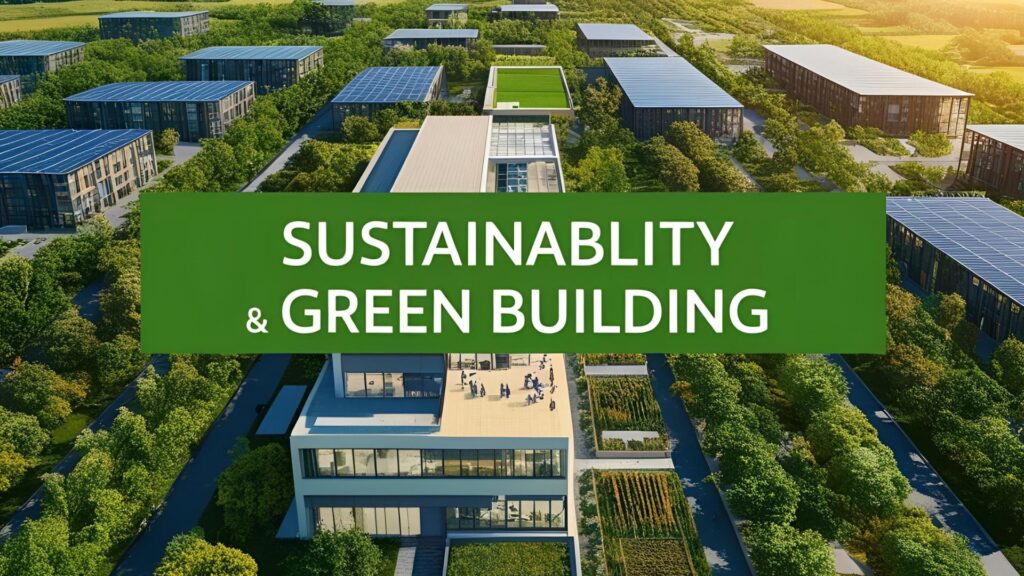
In a world where waste reduction, ESG goals, and material cost control are mission-critical, return and reuse programs have gone from “nice to have” to strategic imperatives for distributors. Whether you’re dealing with packaging, surplus inventory, or unused construction materials, a well-executed return and reuse program benefits your business, your customers, and the environment.
This guide gives you the complete blueprint for implementing, managing, and scaling a return and reuse program — and how your ERP system supports every stage of the process.
Construction and packaging waste now accounts for a large percentage of commercial project overages
LEED and ESG reporting reward suppliers who help divert materials from landfill
Material costs are volatile, making waste reduction essential to protect margins
Customers are seeking credit, convenience, and compliance — especially on large multi-site jobs
📲 Use ERP product attributes to track return eligibility and attach instructions to quotes and packing slips.
Monitor return-to-sale timelines and create alerts for perishable or seasonal materials
Add pallet or crate return checkboxes in your ERP dispatch/picklist module
Include return materials in your route planning tools to optimize truck space and fuel
🛻 Pro Tip: Use barcode/RFID labels to track reusable containers per customer/job.
📦 Bundle returnable items with signage, instructions, and return labels for customers.
Include “X lbs of packaging returned” or “Y pallets reused” on customer statements
Use it as a differentiator in bids, public-sector quotes, and developer partnerships
Return and reuse isn’t just good for the planet — it’s a growth strategy. When it’s backed by smart ERP workflows, you unlock cost savings, operational agility, and a compelling sustainability story your customers will want to share.
📞 Ready to map a return program into your ERP? Let’s build your green workflow from the dock to the dashboard.
