
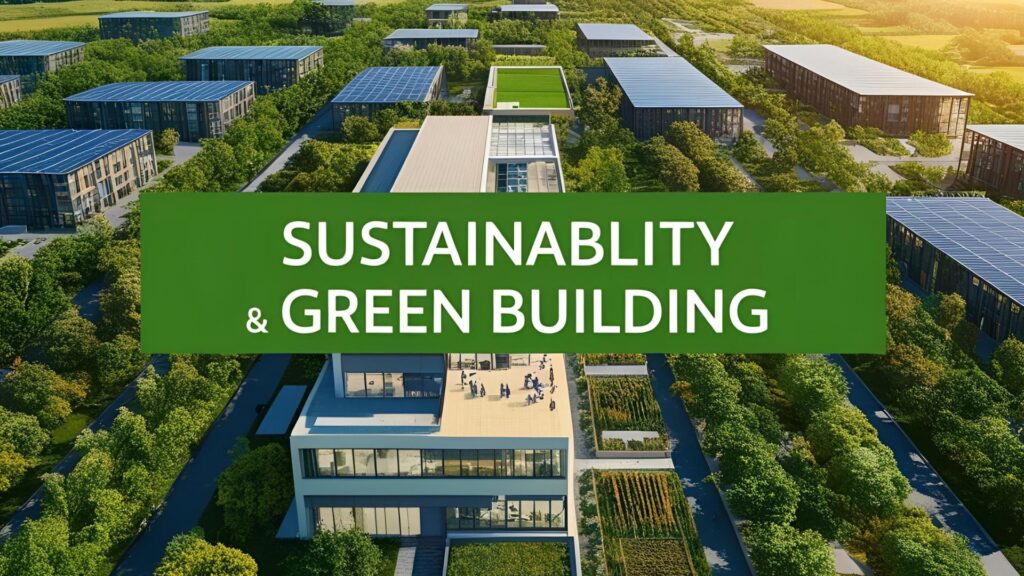
Running a warehouse means running up utility bills — but it also means having a big, flat roof with enormous energy potential. For distributors in the building materials industry, solar power isn’t just a green initiative — it’s a smart business move that brings long-term savings, operational resilience, and market credibility.
If you’ve been considering solar, this guide gives you the full picture — from planning and budgeting to installation and ERP integration.
Warehouses consume energy at high volumes for lighting, HVAC, and equipment.
Operating costs are rising due to grid pressure and peak-hour usage rates.
Contractors and buyers expect sustainability from their suppliers — especially for public or LEED-certified jobs.
☀️ Solar helps reduce operating expenses while proving your environmental commitment — a powerful combo.
📦 Choose the system that matches your location, energy needs, and expansion goals.
💡 Most distributors report 3–6 years ROI depending on size and system type.
📋 Pro Tip: Plan install for off-peak season to avoid warehouse disruption.
Want to show your customers (and CFO) your solar savings? Connect your ERP to your solar system output.
🧠 Bonus: Share performance data on your website or customer portal.
Going solar is one of the most high-impact, future-proof investments a distributor can make. With the right setup and system integrations, your warehouse becomes an energy asset — not just an expense.
📞 Need help planning your solar data tracking inside your ERP? We’ll help you connect your roof to your reporting.
