
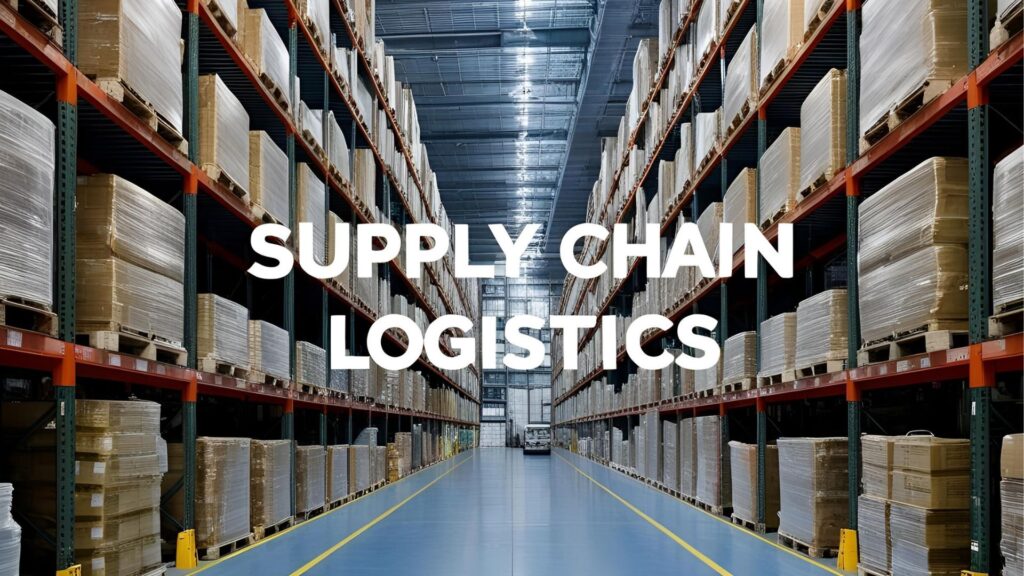
In construction material logistics, idle time during handling and shipping is a hidden cost that directly impacts delivery schedules, labor efficiency, and customer satisfaction. The more time materials sit untouched—or trucks sit waiting—the more your operation suffers from bottlenecks, reduced throughput, and unnecessary overhead.
To address this, distributors need to track the right KPIs (key performance indicators) that uncover where idle time occurs and how to reduce it strategically. Here’s what to monitor to improve speed, productivity, and profitability in your material handling and shipping workflows.
The time it takes from when an order is staged on the dock to when it is actually dispatched for delivery.
A long dock-to-dispatch time often indicates poor scheduling, lack of load readiness, or driver delays.
Identify staging or scheduling bottlenecks and optimize load sequencing and dispatch timing.
The total time a delivery vehicle spends at your facility, from arrival to departure.
Long turnaround times reduce the number of daily deliveries per vehicle and drive up labor and fuel costs.
Monitor by time of day, product type, or yard zone to improve scheduling and reduce congestion.
The time required to pick and prepare an order for shipping once it enters the fulfillment queue.
Slow picking and staging increase cycle times and delay shipping operations.
Track performance by shift, product type, or picker to identify training or process improvement opportunities.
The duration material handling equipment (e.g., forklifts, pallet jacks) remains unused during operational hours.
Idle equipment often signals overcapacity, poor scheduling, or workflow inefficiencies.
Optimize equipment allocation and shift planning based on workload and material flow.
The time drivers spend waiting at the facility before loading begins.
Excessive wait times lead to delivery delays, reduce morale, and increase detention fees (especially with 3PLs).
Track by carrier or shift to improve appointment scheduling and reduce staging conflicts.
A ratio of available staging/loading zones to the number of trucks or pallets occupying space at any given time.
Congested yards slow down operations and contribute directly to idle time in handling and shipping.
Monitor peak congestion periods and adjust load timing, shift overlap, or yard design.
The length of time staged orders remain in the loading zone before being moved onto a truck.
Extended dwell times tie up dock space and lead to delivery delays.
Set acceptable time thresholds by product or order size to reduce unnecessary dwell time.
The average time it takes to load a truck once staging is complete.
This metric reflects loading crew efficiency and the complexity of order types.
Compare by crew, material type, or vehicle to optimize team assignments and equipment use.
The percentage of orders that are successfully loaded on the first attempt without delays or rework.
Load rework and miscommunication increase idle time, especially when trucks need to be reloaded or re-staged.
Track reasons for failure and implement verification steps before dispatch.
Time required to move materials through internal logistics (e.g., from storage to staging or dock).
Excessive handling time contributes directly to shipping delays and poor labor utilization.
Benchmark by product type, warehouse zone, or shift and use layout changes or automation to improve flow.
Reducing idle time isn’t just about moving faster—it’s about moving smarter. By monitoring the KPIs above, your team can identify where delays happen, why they occur, and how to fix them systematically. The result is a leaner, more responsive logistics operation that delivers materials faster, uses labor more efficiently, and keeps job sites running on schedule.
Start with a baseline, track progress weekly, and empower your teams with real-time data to make quick, informed decisions that reduce downtime across the board.
