
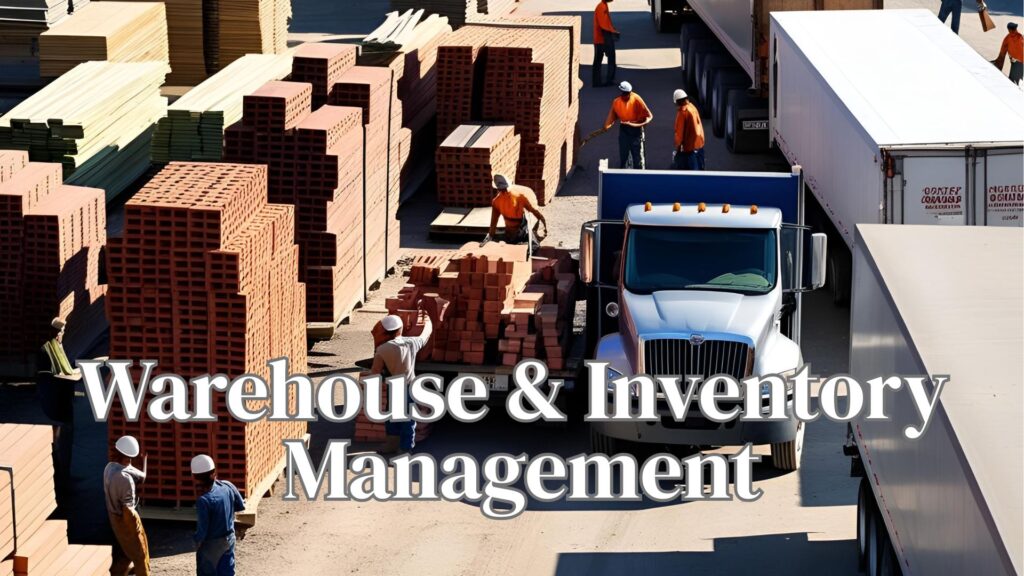
Oversized materials — from steel beams and long piping to drywall, lumber, and pallets of stone — are a logistical challenge in any warehouse or yard. For distributors in the building materials industry, organizing and managing these items efficiently isn’t just about space — it’s about safety, speed, and cost control.
But how do you know if your current practices are working? Start by tracking the right KPIs (Key Performance Indicators) to evaluate and improve oversized material management across your locations.
Without thoughtful organization and tracking, these items can bottleneck loading zones, increase labor hours, and even pose safety risks.
This measures how long it takes to pick, move, and stage large-format materials compared to standard SKUs.
✅ Why it matters: Long handling times often indicate poor storage layout, inefficient equipment use, or unclear staging procedures.
Use your ERP’s task tracking or mobile scanning data to calculate this.
Tracks how often oversized materials are reported as damaged due to handling or poor organization.
✅ Common causes: Forklift collisions, improper stacking, or lack of protective packaging.
Logging damage reasons directly into your ERP helps identify trends by location, SKU, or crew.
How much of your dedicated space for large-format items is being used effectively?
✅ Use this to plan expansions, rearrange layouts, or consolidate materials by job type or turnover rate.
Your ERP can track bin or zone-level occupancy and turnover.
How often are the correct large-format materials staged correctly the first time?
✅ Misses here result in partial deliveries, site delays, or rework — especially costly with custom or special-order pieces.
Track this alongside your delivery error rate by product class.
Monitors how often cranes, boom lifts, or extended forklifts are used vs. idle.
✅ Helps justify new equipment investments or maintenance schedules.
Integrate this data with your operations dashboard for real-time visibility.
Safety is a direct KPI — not just a compliance concern. Track:
Frequent issues may suggest overcrowding, poor visibility, or lack of standardized loading SOPs.
Assign unique storage zones and racking logic based on product dimensions
When your system “knows” the difference between a pallet of bricks and a 24-foot rebar bundle, everything runs smoother.
Oversized materials demand oversized attention — and the right performance tracking helps you improve layout, reduce damage, speed up fulfillment, and keep teams safe. By monitoring key operational KPIs and integrating them with your ERP system, you can build a more scalable, efficient warehouse network.
