
In the building materials industry, managing multiple warehouses isn’t just about keeping shelves stocked—it’s about ensuring real-time visibility, optimized movement of goods, and accurate demand planning across locations.
But achieving that level of control doesn’t happen with just any software. It takes the right ERP partner—one who understands the complexity of multi-location operations and builds solutions that support growth, not just logistics.
Here’s what separates a great ERP partner from the rest when it comes to multi-location warehouse visibility:
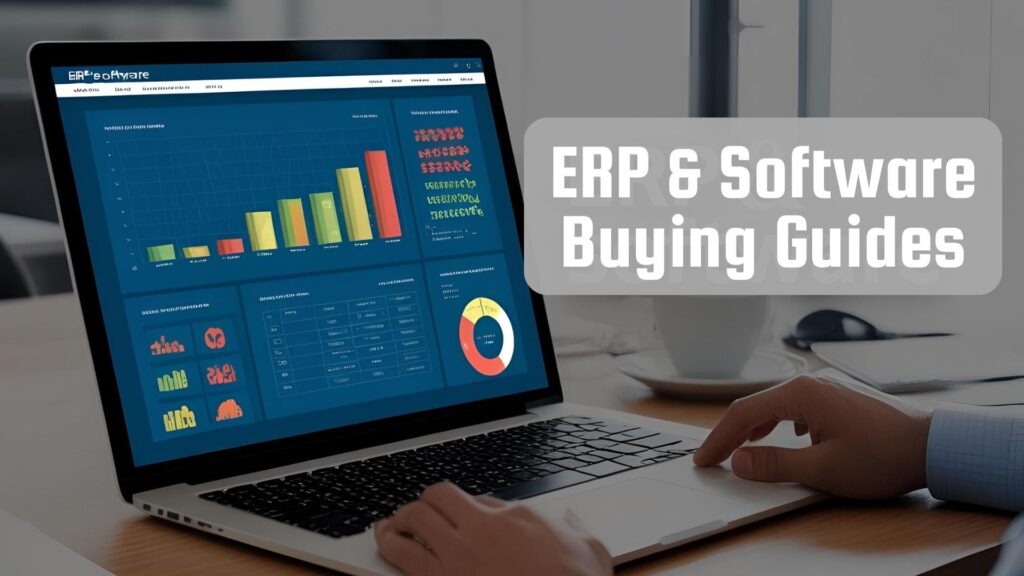
A great ERP system gives you a single pane of glass across all your warehouses—so you can:
📌 Look for: Cross-warehouse dashboards, stock aging reports, and live updates.
Whether you’re transferring items between locations or redistributing based on demand, the ERP should simplify:
📌 Look for: Built-in workflows for inter-branch transfers with alerts and audit logs.
📌 Look for: Rules-based fulfillment and geolocation integration.
📌 Look for: Forecasting modules with per-location customization.
No two companies manage multi-location operations the same. A great ERP partner offers:
📌 Look for: Location tagging, customizable workflows, and user-based access.
Your ERP partner should speak your language—understanding how job-site delivery schedules, lead times, and backorders affect warehouse operations.
