
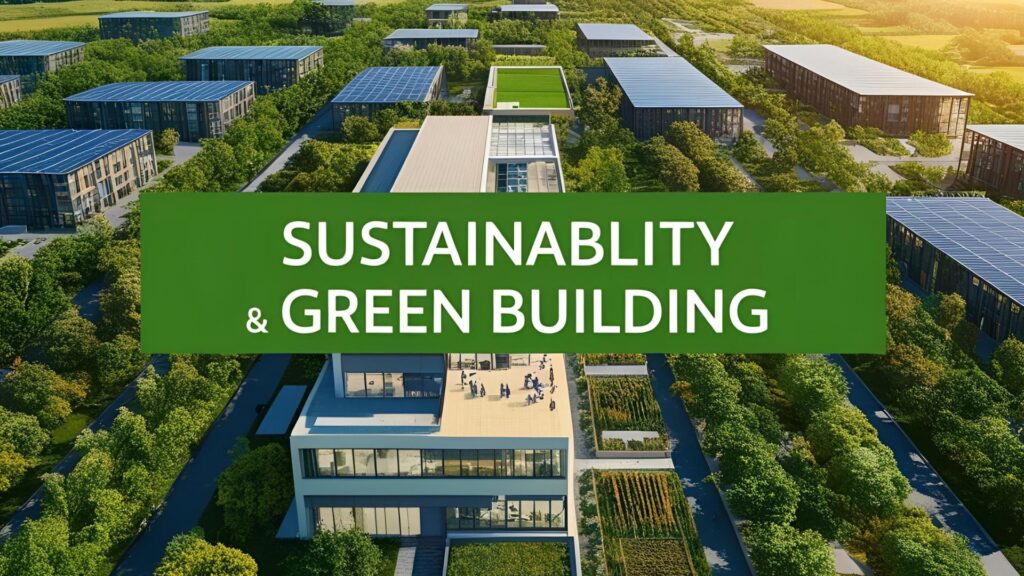
Low-VOC (volatile organic compound) adhesives and sealants have gone from being “LEED-only” choices to becoming standard material requirements across commercial and residential projects. In 2025, their benefits aren’t just about air quality — they’re about jobsite health, regulatory compliance, and customer peace of mind.
Distributors who lead with low-VOC options — and make it easy to specify, purchase, and document them — are now the preferred partners for green builders and public-sector contractors.
Here’s why low-VOC adhesives and sealants matter more than ever, and how your ERP system can help position them as a competitive advantage.
LEED v4.1 EQ Credit: Low-Emitting Materials requires VOC compliance by volume
📋 VOC compliance is no longer optional — it’s required in specs, codes, and customer preferences.
Products compliant with SCAQMD Rule 1168, CARB, and CDPH v1.2 mean fewer delays and rejections
Safer to transport and store in urban areas with VOC restrictions
📦 ERP Tip: Auto-tag VOC compliance and test results at the SKU level to simplify quoting and submittals.
Tag adhesives and sealants by VOC content (g/L), cert status, and LEED contribution
Attach SDS and VOC certificates directly to the SKU for quote/invoice automation
Create “Low-Emission Bundles” — adhesives, sealants, and primers for green jobs
Build filters for contractors or buyers to sort by “Green/Low-VOC” SKUs online or in your quoting app
🎯 Use this data to train reps, market to green builders, and promote your catalog’s environmental impact.
Low-VOC adhesives and sealants aren’t just for LEED projects — they’re now table stakes for quality, speed, and compliance. Make sure your ERP system helps you lead with data, not just product.
📞 Want to build low-VOC bundles, add VOC tagging, or automate SDS delivery in your ERP? Let’s build a quoting flow your contractors will love.
