
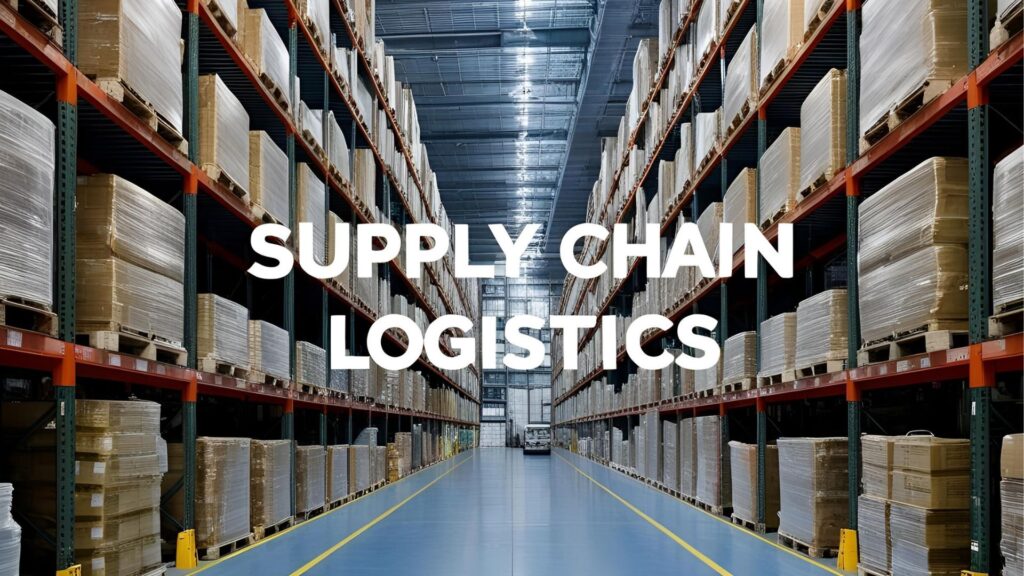
In the construction materials industry, time is more than money—it’s project momentum. Delays in material delivery don’t just disrupt logistics; they stall job sites, waste labor hours, and erode contractor trust. As expectations for on-time delivery tighten, the ability to handle delays and reroute in real-time has shifted from operational nicety to strategic necessity.
In 2025, distributors that can react to disruptions instantly—adjusting routes, updating contractors, and maintaining delivery integrity—will have a clear edge in customer experience, efficiency, and profitability.
Here’s why real-time responsiveness in delays and rerouting is now a true competitive advantage in the building supply chain.
A delay meant a phone call, a voicemail, and a long wait for answers.
Contractors expect live ETAs, reroute updates, and proactive problem-solving when issues arise.
Advantage: Distributors who communicate instantly during delays build trust and reduce job site downtime, setting themselves apart from slower, less responsive competitors.
Delays cost more than fuel—they cost productivity. When trucks or materials are stalled, the entire operation pays for it.
Faster route adjustments mean better driver utilization and fewer missed windows
Result: You deliver more with less—and your customers feel the difference.
In 2025, reliability is a service differentiator. Contractors don’t want excuses—they want solutions.
Reputation impact: You’re not just a supplier—you’re a logistics partner that adapts under pressure.
Disruptions are inevitable. How you handle them defines your value in the market.
Field teams can coordinate with job sites to adjust crew timing
Competitive takeaway: Responsiveness becomes a service offering—not just damage control.
Rerouting and delay data isn’t just reactive—it’s a strategic input.
Advantage: You improve faster than competitors who only learn after complaints or losses.
Large-scale construction projects demand precision logistics. Materials must arrive on time for scheduled cranes, subcontractors, or inspections.
You can react to job site changes, traffic, or restricted access in seconds
Your service scales up to meet the complexity of larger builds
Impact: Contractors trust you with high-value, high-stakes projects.
In 2025, great logistics service isn’t just about the truck—it’s about how well your team handles change.
Result: Better support, fewer escalations, and more satisfied clients.
Extreme weather, labor shortages, and infrastructure issues will continue to disrupt construction logistics.
Outcome: Long-term resilience that protects revenue and customer loyalty.
In the modern building materials supply chain, delivery disruptions are inevitable. What sets top distributors apart is how they respond. Real-time delay handling and rerouting transforms a potential failure into a demonstration of reliability, service quality, and operational strength.
In 2025, agility is the advantage. The distributors who invest in systems, training, and partnerships that support real-time logistics responsiveness won’t just avoid losses—they’ll grow faster, retain customers longer, and win in the moments that matter.
