
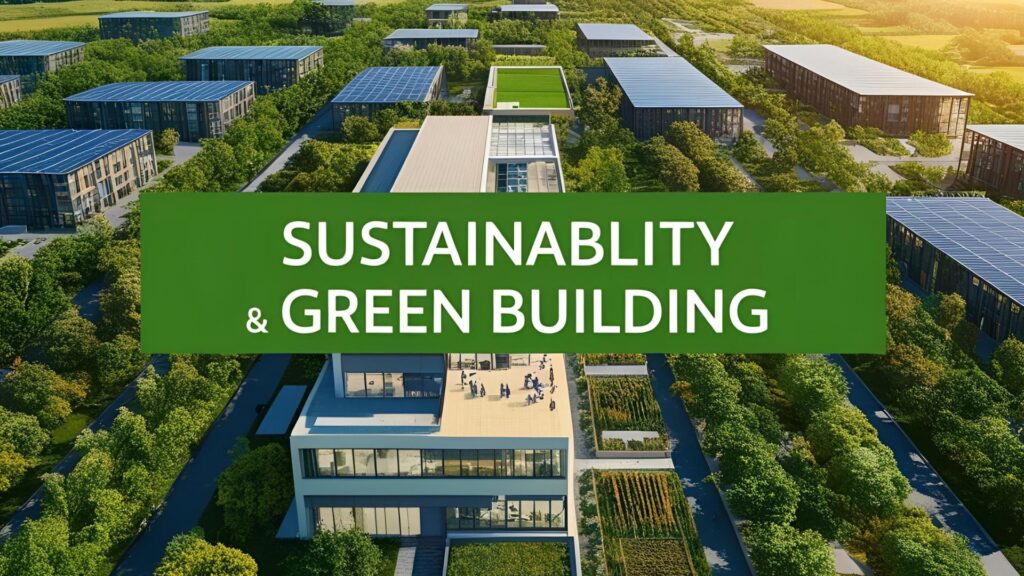
Why Marketing Your Distribution Business as Eco-Conscious Matters More Than Ever in 2025
As sustainability takes center stage in global construction and logistics, positioning your building materials distribution business as eco-conscious is no longer optional—it’s a strategic imperative. In 2025, climate goals, government regulations, and changing buyer expectations make green marketing essential.
Sustainability Sells: According to recent studies, over 70% of B2B customers consider environmental impact in purchasing decisions. Showcasing your eco-friendly values directly boosts trust and engagement.
Regulatory Compliance & Tax Benefits: Governments worldwide are introducing green regulations and tax incentives. Marketing your adherence to these not only attracts new customers but assures them of your long-term viability.
Investor & Vendor Confidence: Stakeholders are prioritizing ESG (Environmental, Social, and Governance) practices. An eco-conscious image strengthens your positioning for future funding or partnerships.
Talent Acquisition: Younger professionals prefer working for sustainable companies. Marketing your green practices helps attract and retain the best talent in logistics and warehousing.
Energy usage in your warehouses.
CO2 emissions from material deliveries.
Use of return/reuse programs for packaging. This data not only streamlines operations but powers authentic marketing campaigns that resonate with eco-minded customers.
In 2025, sustainability isn’t just a buzzword—it’s the competitive edge. Positioning your distribution business as eco-conscious through data-backed marketing will define your relevance in the coming years.
