
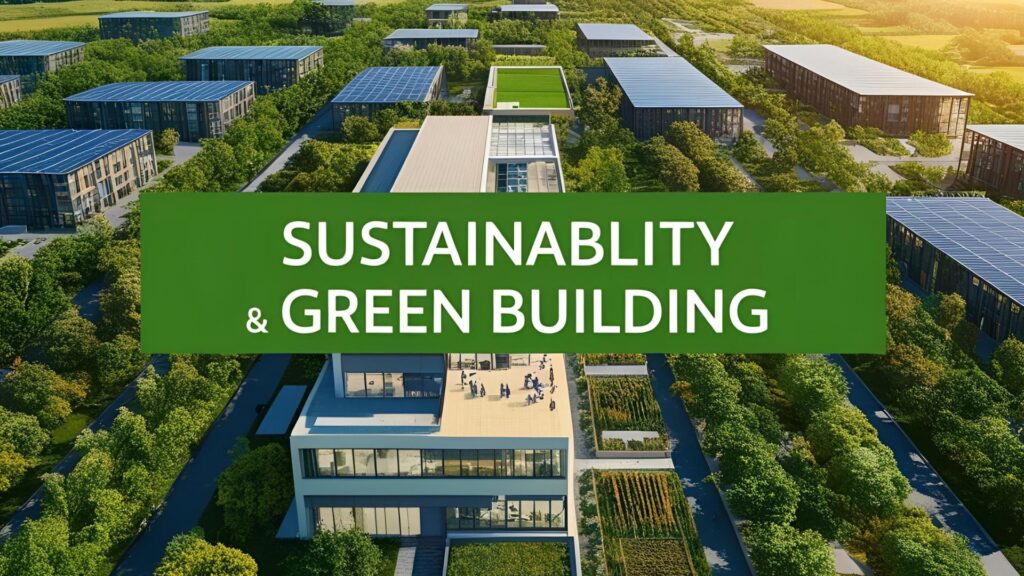
The pressure to operate cleaner and smarter is growing every year — and in 2025, warehouse energy use is under the spotlight. Whether you run a single-yard operation or manage multiple distribution centers, solar power has become one of the most impactful ways to reduce operating costs, lower emissions, and meet rising sustainability expectations.
It’s not just about going green — it’s about staying competitive.
In this article, we’ll explore why solar-powered warehouse operations are more important than ever, what’s driving the shift, and how to plan a transition that supports both your budget and your brand.
Warehouses are energy-intensive, especially in peak seasons. In 2025, energy costs are expected to rise another 6–8% due to:
☀️ Solar offers a hedge — and in some cases, a path to full energy independence.
Builders, developers, and government clients want to work with vendors who reflect their values.
Large GCs and REITs are asking for carbon data from their vendors
📦 Solar adoption is an easy win for your sustainability scorecard — and your marketing.
🧠 These reduce payback time significantly — many distributors see ROI in under 5 years.
Want to track the impact of your solar adoption? Tie it into your ERP system.
If you’re expanding or remodeling, solar is easier (and cheaper) to integrate during construction. Builders are now:
📦 That means your future facilities will already be solar-compatible — why not start now?
Track performance in your ERP: Share the data with customers and internal teams
Solar power isn’t just a sustainability decision — it’s a strategic investment. With energy prices rising and customer expectations evolving, 2025 is the year to move from intention to action. And with ERP integration, you can measure, market, and maximize every kilowatt you produce.
📞 Want help integrating solar impact tracking into your ERP system? We’ll help you build a smarter, cleaner, and more transparent operation.
